The hearing aid industry is evolving at an unprecedented pace, and 2026 promises innovations that could transform the way people experience sound.
Modern hearing aids are no longer simply amplification devices. They are intelligent, connected tools designed to enhance communication, safety, and overall quality of life.
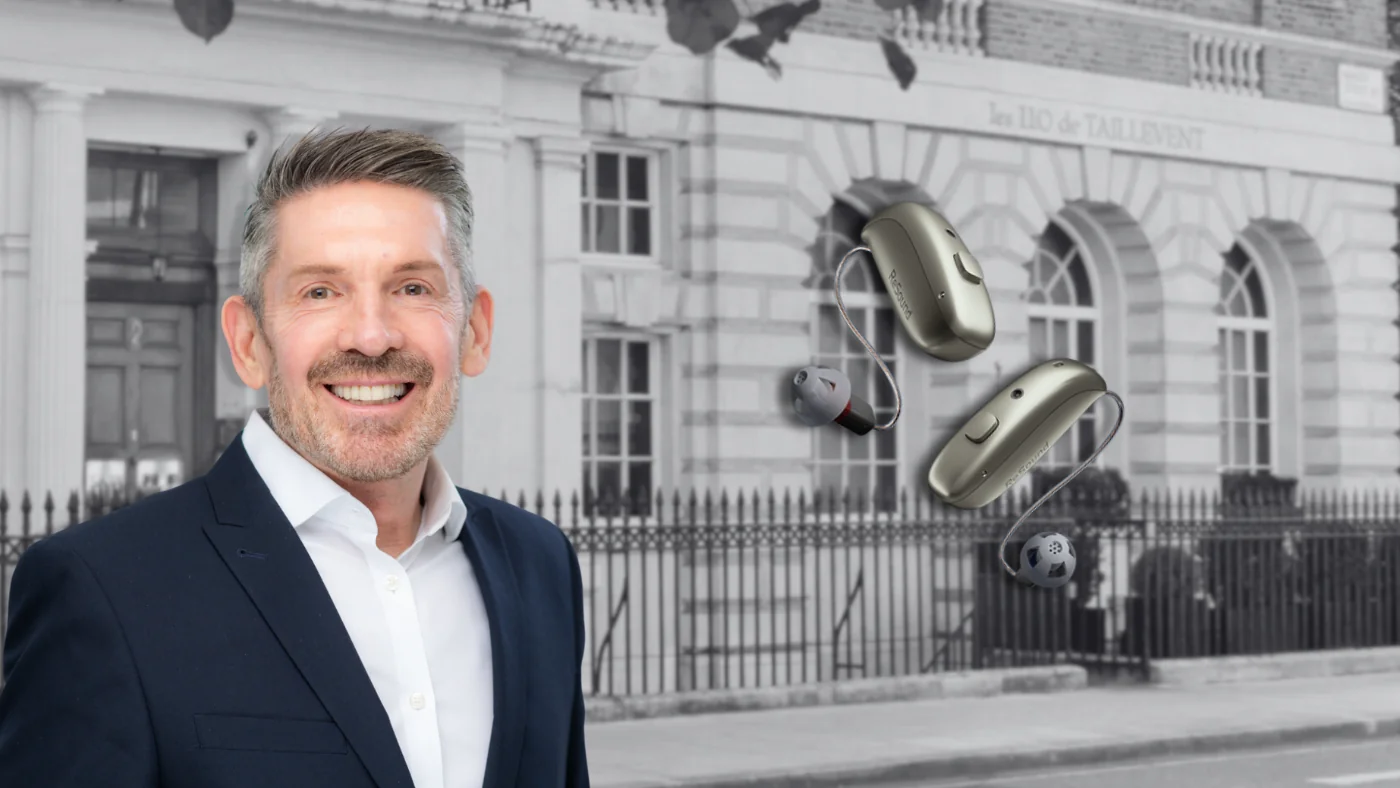
From AI to smarter connectivity and sleeker designs, the next generation of hearing aids is set to offer more personalised solutions than ever before. Here’s what Paul Checkley, Partner and audiologist at Harley Street Hearing, has to say about what 2026 holds for hearing aids.
AI and smarter listening forecasted for 2026
“In the coming year, AI will play an even greater role in helping users hear clearly in complex listening environments,” says Paul Checkley.
“Current AI is effective at reducing steady-state background noise effectively, but perhaps future iterations may enable devices to identify individual voices. This could allow a user to focus on conversations with specific people, which is particularly valuable in busy social settings like family gatherings or restaurants.”
Connectivity breakthroughs: Auracast Broadcast Audio
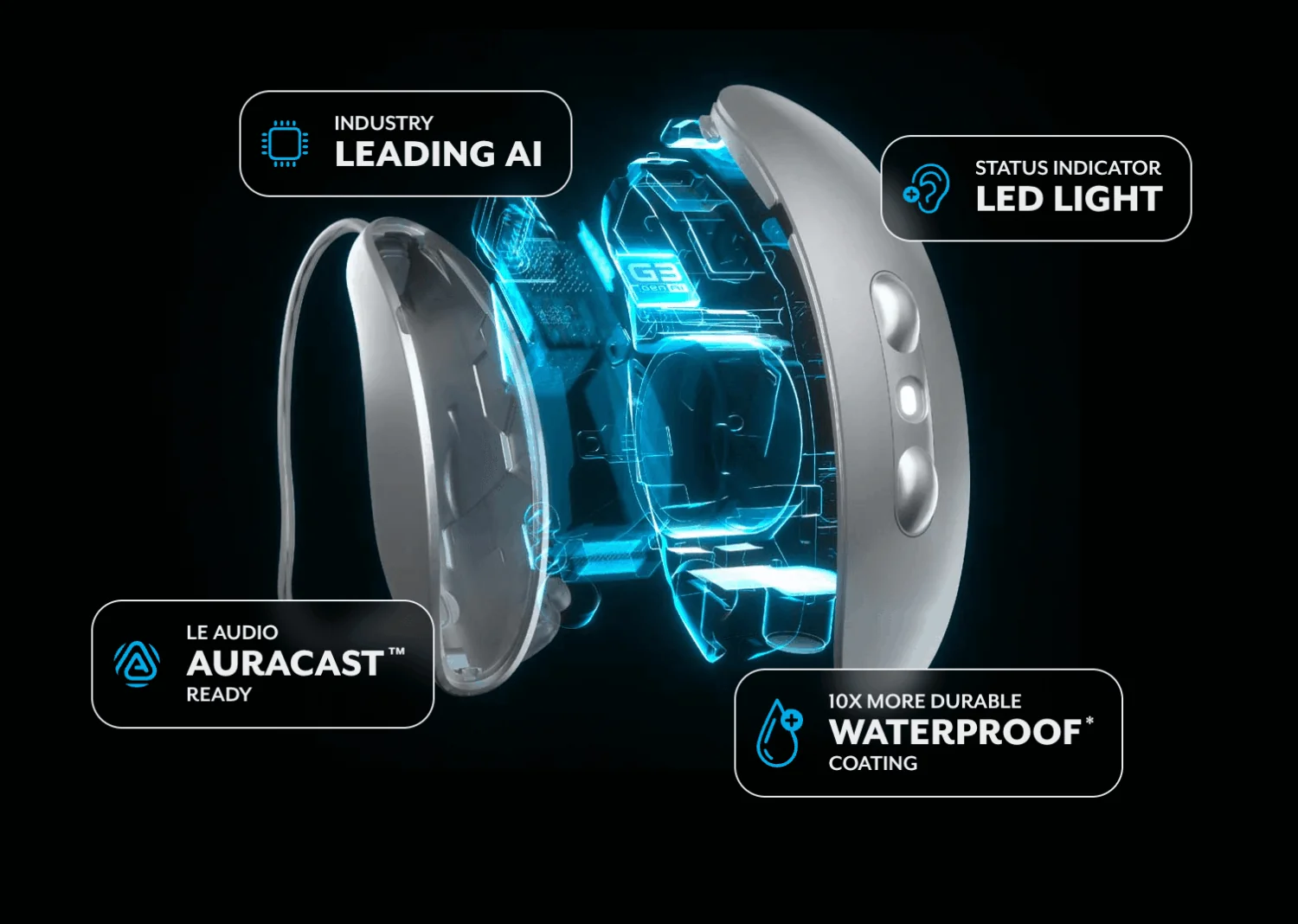
Connectivity is another area set for major developments. One of the most anticipated features is Auracast broadcast audio, which allows hearing aids, and any LE Bluetooth-enabled headset, to receive public audio streams.
“Auracast will revolutionise how users interact with public spaces such as theatres, churches, and sports bars,” explains Paul Checkley. “It offers a more robust and simplified connection process, improved sound quality, and a much more inclusive listening experience.”
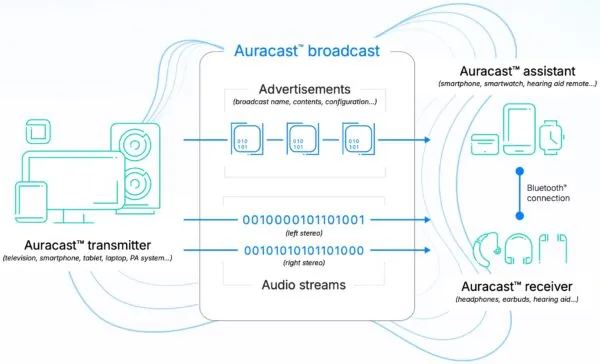
Image source: https://soundinduction.co.uk/pages/auracast-frequently-asked-questions
Sleeker designs and better personalisation
Design and personalisation are also moving front and centre. Advances in miniaturisation mean hearing aids are becoming smaller and more discreet, yet still capable of housing highly sophisticated and life-altering technology.
Paul Checkley shares, “We are seeing smaller in the ear devices that don’t compromise on features like Bluetooth or rechargeability. In addition, smartphone apps now give users the ability to adjust their hearing profile for different environments, providing a truly personalised listening experience.”
Expert wish list: What audiologists want to see for 2026
Several advancements could significantly enhance user experience:
“One exciting possibility for the future is AI-based voice pattern recognition,” notes Paul Checkley. “This could allow devices to prioritise the voices of friends and family while reducing interference from others. It’s not currently available, but it could dramatically improve social interactions.”
Other requested improvements include:
- Smaller rechargeable devices
- More reliable and water-resistant Lyric hearing aid models
- Integration with smart home technology such as doorbells, alarms, or smoke detectors
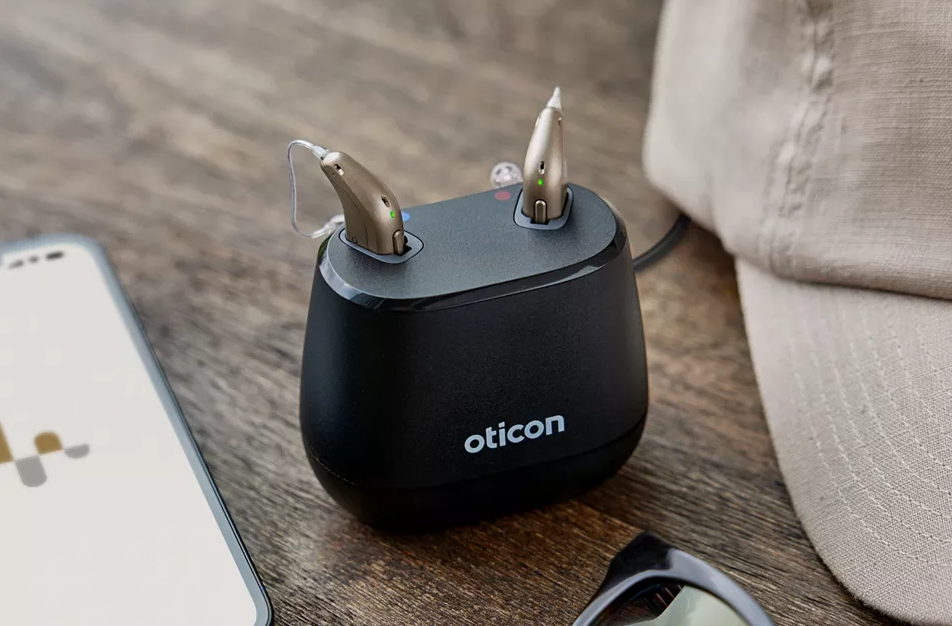
One of the most requested improvements in hearing aids is the availability of smaller rechargeable devices. Rechargeable hearing aids offer significant convenience, eliminating the need for users to frequently replace tiny batteries, which can be challenging for older adults or those with dexterity issues.
Smaller, rechargeable devices combine this convenience with a discreet design, allowing users to enjoy advanced features such Bluetooth connectivity, and noise reduction without compromising aesthetics or comfort. The environmental benefit is also notable, as rechargeable devices reduce battery waste, making them a more sustainable choice.
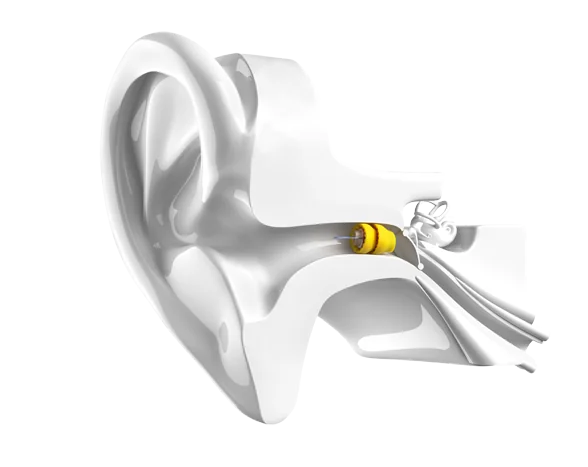
Another area of focus is the development of more powerful and water-resistant Lyric models. Lyric hearing aids are designed for long-term, in-ear wear, offering unmatched convenience and discretion.
Improving water resistance and overall reliability would give users greater confidence to wear their devices in a variety of everyday situations, from exercising to showering, without worrying about damage.
Additionally, integration with smart home technology, such as doorbells, alarms, or smoke detectors, can dramatically enhance safety and independence. By linking hearing aids directly to these devices, users can receive real-time alerts and notifications, ensuring they stay connected and safe in their homes while maintaining seamless auditory support.
Trends in consumer behaviour and OTC hearing aids
The evolution of hearing aids also reflects broader trends in audiology and consumer behaviour. Over-the-counter (OTC) devices are becoming more popular as a first introduction to hearing technology.
“OTC options can be a good starting point,” says Paul, “but personalised and professionally fitted devices from an audiologist will always deliver superior outcomes in terms of hearing performance, comfort, and lifestyle integration.”
The future of hearing aid technology
Future hearing aids are expected to incorporate more advanced health-monitoring features, transforming them into practical tools for overall well-being, as well as listening devices.
Because they are worn consistently throughout the day, hearing aids are ideally placed to track things such as heart rate, activity levels, and sleep patterns. For older adults in particular, this kind of unobtrusive monitoring can offer reassurance and help identify early changes in health or daily routines.
There is also growing interest in features like fall detection and emergency alerts, which could automatically notify a family member or caregiver if the user needs help. When combined with emerging tools such as talk-to-text and translation support, the next generation of hearing aids will not only improve communication but also play a more meaningful role in safety, independence, and overall wellbeing.
“Considering the average age of hearing aid users, features that track health metrics, such as heart rate, activity levels, or even fall detection, could be extremely valuable. Combined with talk-to-text and translation options, future devices may support communication and health simultaneously,” explains Paul Checkley.
What can we expect from hearing aids in 2026?
2026 is shaping up to be an exciting year for the hearing technology industry. With smaller, smarter, and more connected devices, hearing aids are no longer just about hearing; they are about enhancing quality of life, promoting independence, and supporting overall well-being.
“The key takeaway for anyone considering a hearing aid is to consult a qualified audiologist,” advises Paul Checkley. “They can recommend the device and features best suited to individual needs, ensuring optimal hearing and lifestyle outcomes.”
If you’re considering upgrading your hearing aids or want personalised guidance on the best technology for your needs, book an appointment with Harley Street Hearing today. Our expert audiologists can help you find the right solution for your hearing, lifestyle, and long-term wellbeing.
Interested in more? Check out these related articles: