Home / News / How to Choose the Right Hearing Aids: 7 Essential Questions
How to Choose the Right Hearing Aids: 7 Essential Questions
If you’re new to hearing aids, you might be surprised to learn that the brandyou choose isn’t the most important factor — it’s how well your hearing aids are programmed, fitted, and supported. Even premium devices can underperform if they’re not customised to your hearing loss and ear anatomy.
That’s why asking the right questions before you begin your hearing aid journey is essential. Below are seven key questions to guide you toward the right audiologist and ensure you receive the highest standard of care.
1. Will You Receive a Full Diagnostic Hearing Assessment?
Your first appointment should last around 60 – 90 minutes. A thorough assessment gives your audiologist the information needed to recommend the right technology and identify any medical concerns.
If a clinic commits this time to you, it’s a sign they prioritise accuracy and long‑term results.
2. Do They Work With All Major Hearing Aid Brands?
Some clinics only partner with one or two manufacturers, which may limit your options. Ideally, the clinic should offer devices from leading brands such as:
• Phonak
• Widex
• Oticon
• Starkey
• ReSound
• Signia
Access to a wide range of manufacturers ensures your hearing aids are chosen for your needs – not the clinic’s convenience.
Consider your lifestyle, dexterity, and wearing comfort
More options mean a better chance of finding the perfect match.
4. Can They Provide Custom Earpieces or Specialist Receivers?
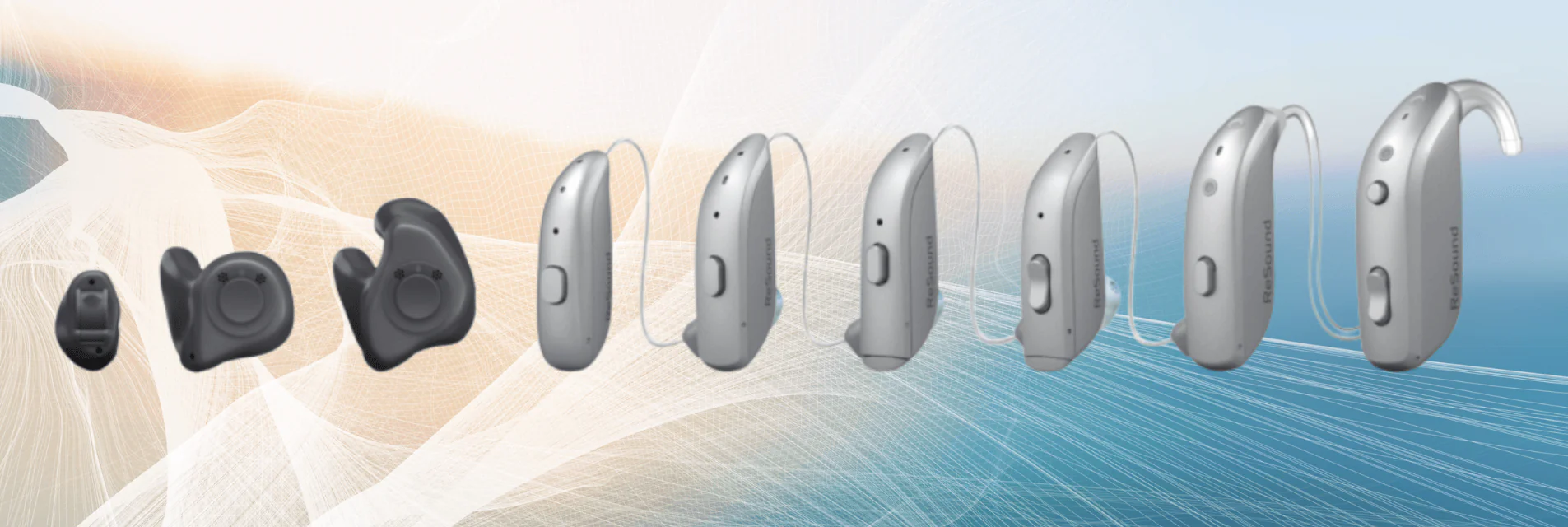
The physical fit of your hearing aid dramatically affects comfort and sound quality. Advanced options include:
Custom earmoulds and tips
Phonak ActiveVent receivers
ReSound M&RIE receivers
A knowledgeable audiologist should understand these technologies and know when they’re beneficial.
5. Can You Try the Hearing Aids in Real‑World Situations?
Short in‑clinic demos often don’t reflect how hearing aids perform day-to-day. New users typically need time to adjust to amplified sound.
Look for a clinic that offers:
• Hearing aids programmed specifically for your test results
• A trial period long enough to test them at home and in noisy environments
• Fair return or exchange terms
Real-world trials help you make a confident decision.
6. Do They Use Real‑Ear Measurements (REM) During Fitting?
Real‑ear measurements ensure that your hearing aids deliver the exact amplification your hearing loss requires. REM is widely considered the gold standard in hearing aid fitting.
If a clinic does not use REM, it’s best to continue your search.
7. What Does Their Aftercare Programme Include?
Hearing aids are not a “fit and forget” device. They often need adjustments as your brain adapts to new sounds.
High‑quality aftercare should include:
• At least two follow‑up appointments shortly after fitting
• Annual hearing reassessments
• Adjustments when your hearing changes
• Ongoing support for maintenance and cleaning
Whether aftercare is bundled or pay‑as‑you‑go, it should be clearly explained and readily available.
A Simple Rule for Choosing the Right Audiologist
If the hearing clinic answers yes to all seven questions above, you’re likely in excellent hands. If they can’t meet these criteria, it may be worth exploring other options to ensure you get the best long‑term hearing results.
For more guidance, be sure to watch the accompanying video that breaks down these points and highlights the best hearing aids available this year.
Matthew Allsop is a Partner at Harley Street Hearing, and a content creator for Hearing Tracker, where he shares his honest opinion on all new hearing aid technology. Hearing Tracker is the world’s first truly independent resource for hearing aid customers.
If you would like to find out more about how we can help your hear better, contact us.
To provide the best experiences, we use technologies like cookies to store and/or access device information. Consenting to these technologies will allow us to process data such as browsing behaviour or unique IDs on this site. Not consenting or withdrawing consent, may adversely affect certain features and functions. Users personal data will be used for personalization of ads and cookies may be used for personalized and non-personalized advertising
Functional
Always active
The technical storage or access is strictly necessary for the legitimate purpose of enabling the use of a specific service explicitly requested by the subscriber or user, or for the sole purpose of carrying out the transmission of a communication over an electronic communications network.
Preferences
The technical storage or access is necessary for the legitimate purpose of storing preferences that are not requested by the subscriber or user.
Statistics
The technical storage or access that is used exclusively for statistical purposes.The technical storage or access that is used exclusively for anonymous statistical purposes. Without a subpoena, voluntary compliance on the part of your Internet Service Provider, or additional records from a third party, information stored or retrieved for this purpose alone cannot usually be used to identify you.
Marketing
The technical storage or access is required to create user profiles to send advertising, or to track the user on a website or across several websites for similar marketing purposes.