
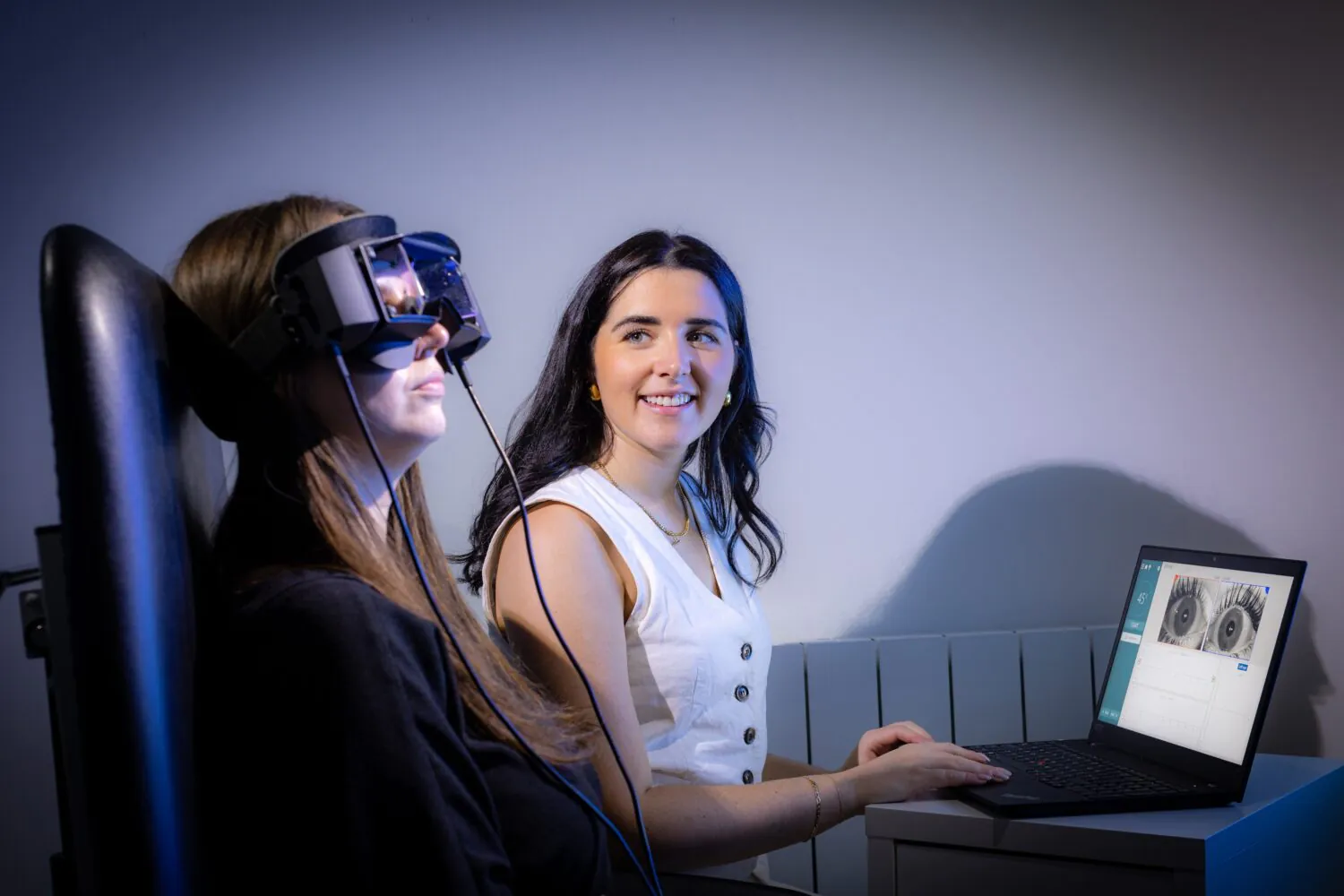
Balance plays a crucial role in our everyday lives, yet many people don’t realise how complex the balance system is until something goes wrong. Conditions affecting balance can cause dizziness, vertigo, nausea, instability, or falls, which can significantly impact daily life and wellbeing.
Specialist balance testing can help identify the underlying cause of these symptoms and guide effective treatment. However, when seeking help, many people find themselves unsure where to turn. Should you pursue testing through the NHS or visit a private balance clinic?
Both options can provide valuable care, but there are important differences in how balance disorders are tested and how quickly you can access support. In this article, we explore the differences between NHS and private balance testing so you can make an informed decision about your care.
Understanding NHS balance testing
Balance testing is available through the NHS, typically performed by specialist Audiology clinics. To access these services, patients need a referral from their GP to see an ENT specialist and will then be referred to Audiology.
Balance testing within the NHS can include a variety of diagnostic procedures depending on the symptoms presented. These tests may examine how the inner ear, eyes, and brain work together to maintain balance. Because balance disorders often require specialist equipment and clinicians, services are usually provided within hospital departments or specialist centres.
What balance tests are available on the NHS?
NHS balance services may offer several diagnostic tests, including:
- Caloric irrigations and video head impulse testing
- Positional testing to identify causes of vertigo such as BPPV
- Videonystagmography (VNG) to evaluate eye movements
- Hearing tests, as hearing and balance systems are closely connected
The availability of specific tests can vary depending on the hospital or NHS trust.
Pros and cons of NHS balance testing
Pros:
Cost effective – NHS testing is provided at no cost for those eligible for care.
Cons:
Referral process – Patients may need to be seen multiple times with consistent balance symptoms before a referral for balance testing can take place.
Waiting times – Due to demand and the specialised nature of balance testing, appointments can take weeks or months to arrange. In some areas, waiting lists for ENT and specialist vestibular services can be significantly longer, with waits for testing reported to be up to two years.
Limited appointment availability – Appointment times are often restricted due to the volume of patients being seen.
Pros and cons of private balance testing
Pros:
Fast access to appointments – Patients can be seen quickly by audiologists, helping to reduce delays in diagnosis and allowing treatment to begin sooner.
Personalised care – Longer appointment times allow clinicians to fully understand a patient’s symptoms, medical history, and lifestyle. The audiologists work closely with ENT specialists to create accurate diagnoses and personalised treatment plans.
Continuity of care – Once testing is complete, follow-up appointments and treatment plans can be arranged promptly and may include vestibular rehabilitation therapy, medication, lifestyle adjustments, or other interventions to improve balance and overall quality of life. This ensures patients receive timely treatment and can start regaining confidence in their balance without unnecessary delay.
Cons:
Cost – Private testing is paid for by the patient.
Insurance coverage varies – Most medical insurance will cover balance testing following referral from a doctor but will likely require pre-authorisation from the provider.
Understanding private balance testing
Private balance testing is offered by independent audiology clinics and paid for by the patient, mostly through private medical insurance. Patients require referral from an ENT specialist, Audiovestibular Physician or Neurologist to ensure any other medical causes of dizziness or imbalance have been ruled out first.
Balance tests offered by private clinics
Private balance clinics typically provide a comprehensive range of diagnostic tests, such as:
- Video head impulse testing (vHIT), vestibular evoked myogenic potential (VEMP) and caloric irrigations testing to assess inner ear function
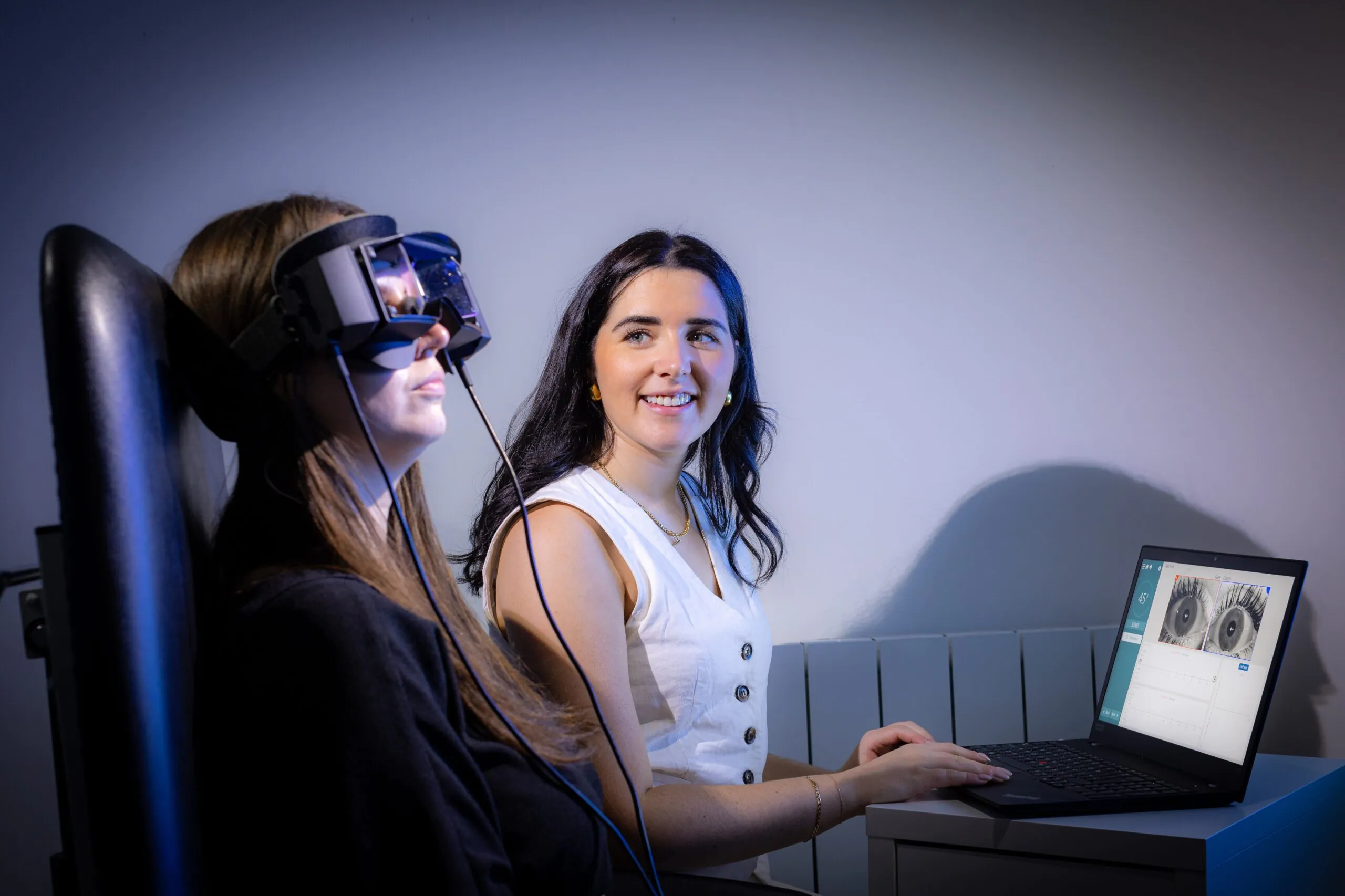
• Videonystagmography to analyse eye movements
• Positional testing for conditions such as BPPV
Hearing testing to examine any correlation between hearing and balance symptoms.
Because these tests can often be carried out during the same visit, patients may receive answers much sooner than through more fragmented referral pathways.
Private balance services vs NHS
There are clear differences between the balance testing offered by the NHS and private audiologists, but what about the services that come with them?
Since balance problems can have a significant impact on daily life, it’s important to consider the standard of service you’ll receive and the speed of support when you need it. Let’s compare the difference between NHS balance services and those offered by private clinics.
NHS balance services
Limited appointment times: Due to high demand and limited resources, NHS appointments can be time-constrained. This can mean testing is split over multiple appointments before a full diagnostic picture of the balance system is obtained.
Basic follow-up: Aftercare usually covers routine monitoring or repeat testing if required, but ongoing personalised support is often limited compared with private clinics.
Waiting times: Appointments can take weeks or months to arrange, and in some areas waiting lists for ENT and specialist vestibular services can be up to two years.
Private balance services
Comprehensive testing: Appointment times aren’t limited, allowing private audiologists to conduct thorough, in-depth consultations. They can take the time to understand your symptoms, medical history, lifestyle, and challenges. At Harley Street Hearing, a typical balance consultation is allocated three hours to ensure everything can be completed in one visit.
Personalised attention: Private audiologists focus on providing individualised advice and support to each patient, ensuring that testing and treatment plans are tailored to the person’s needs.
Appointment availability: Private clinics are more flexible and can often accommodate patients within days, rather than months, making timely care possible.
Ongoing follow-up and treatment: Follow-up appointments and treatment plans can be arranged quickly if required, and may include vestibular rehabilitation therapy, medication, lifestyle adjustments, or other interventions to improve balance and overall quality of life.
All of the above are important considerations when choosing a balance clinic. Your balance can change over time, so testing and treatment may need to be adjusted to match your evolving needs.
Are private balance tests better than NHS?
Whether private balance testing is better than NHS services depend on an individual’s circumstances.
The NHS provides excellent medical care and access to specialist hospital services. For many patients this pathway works well.
However, for individuals experiencing disruptive dizziness or vertigo, the speed at which they can access testing can make a significant difference. Persistent balance symptoms can affect work, social life, and overall wellbeing, so receiving an early diagnosis is often key to effective treatment. Private balance clinics like Harley Street Hearing allow patients to identify the cause of their symptoms sooner and begin testing and treatment tailored to each patient’s unique needs.
Harley Street Hearing’s Balance Clinic
At our Balance Clinic, located at 127 Harley Street, we specialise in providing fast, expert testing and treatment for individuals experiencing dizziness, vertigo, nausea, or balance problems. Our experienced audiologists use advanced diagnostic technology to evaluate the inner ear and overall balance system, supporting accurate diagnosis and effective treatment decisions. We work closely with ENT specialists to provide coordinated care and personalised treatment plans. Most balance disorders require a referral from an ENT specialist, while patients who suspect they are experiencing benign paroxysmal positional vertigo (BPPV) can self-refer. Our clinic prioritises prompt, thorough testing and treatment so that patients can begin effective management quickly and regain confidence in their balance and overall quality of life. Find out more here .