
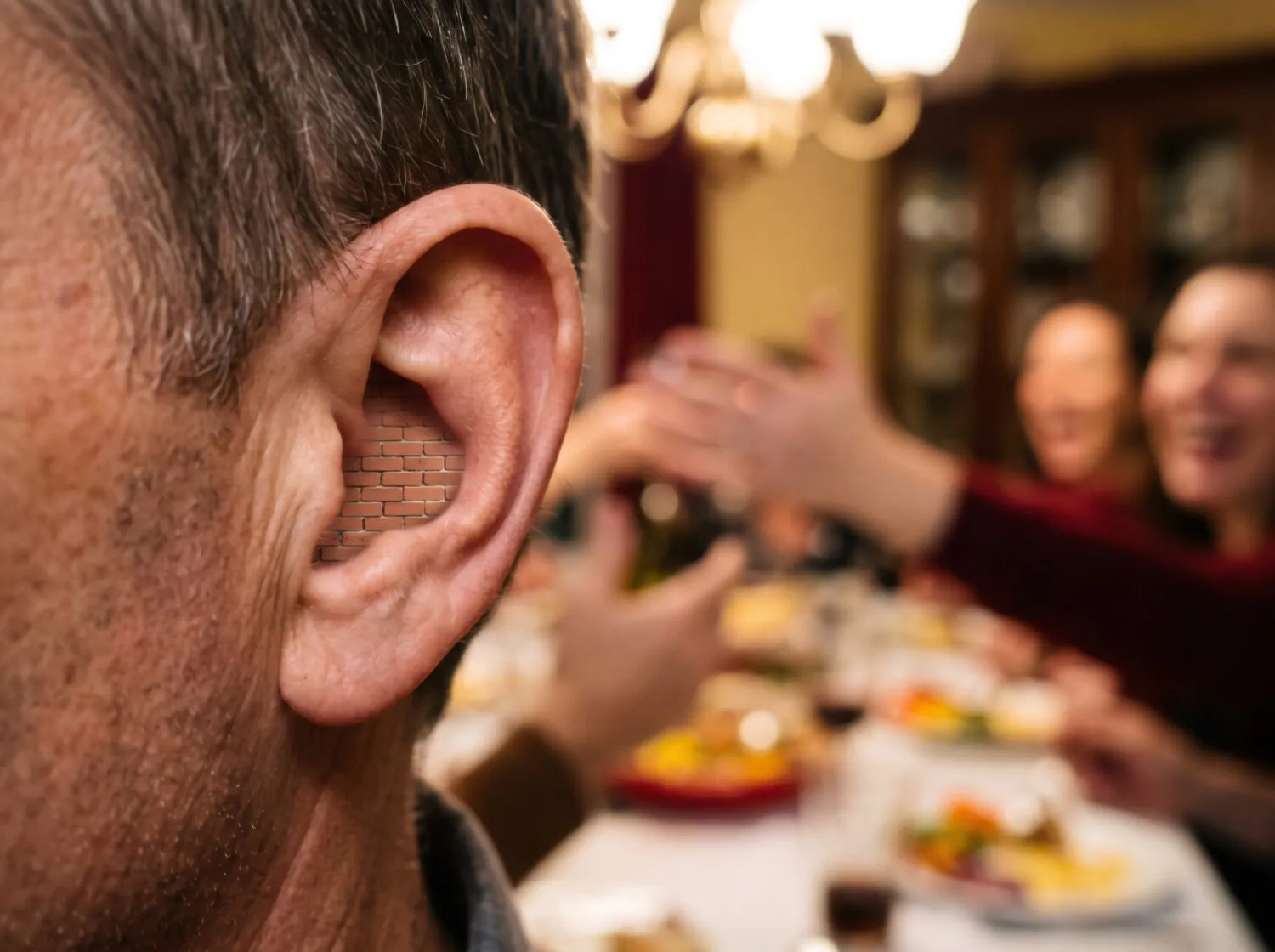
A blocked ear is uncomfortable enough on its own. Sounds become muffled, your ear feels full, and your own voice can seem unusually loud. When ringing starts up, too, it’s natural to wonder what’s going on.
The good news is that ear wax and congestion are common causes of a blocked-ear sensation and can sometimes trigger tinnitus. When the underlying problem clears, the tinnitus may settle, too. However, not every blocked ear is due to earwax or congestion, so it’s important to know when to get it checked.
Below, we explain how blocked ears and tinnitus are connected, what you can do to help, and when to seek advice.
Can blocked ears cause tinnitus?
Yes. A blockage in your ear can reduce the amount of sound reaching your inner ear, making external sounds seem quieter and tinnitus more noticeable.
Ear wax is one possible cause. When it builds up in the ear canal, it can cause muffled hearing, a feeling of fullness and ringing or buzzing. Tinnitus can also occur when congestion or fluid affects the middle ear, or when pressure changes interfere with how your ear works.
It’s a little like cupping your hands over your ears. When the sounds around you become quieter, you may become more aware of sounds you wouldn’t normally notice.
The important thing is to identify what’s causing the blockage. If the tinnitus is related to ear wax or congestion, it may improve when the underlying problem resolves. If it persists, there may be another cause that needs investigating.
Common causes of blocked ears
Ear wax
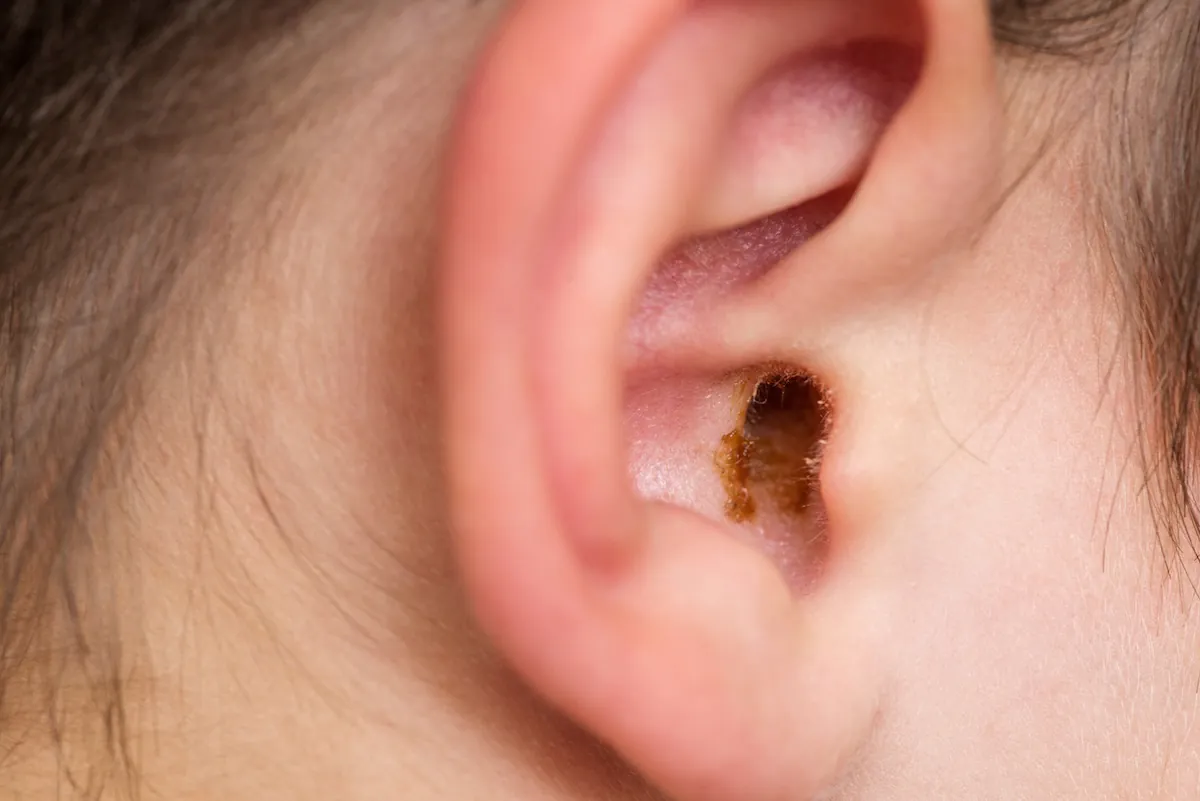
Ear wax is perfectly normal. It helps protect your ear canal by trapping dust and debris, and usually moves out of the ear naturally. Sometimes, it builds up and becomes impacted. This is more likely if you have narrow ear canals, wear hearing aids or regularly put objects such as earphones into your ears.
A build-up can cause muffled hearing, a feeling of pressure or fullness, and tinnitus. If the blockage affects just one ear, you may notice ringing only on that side.
Colds, sinus problems and hay fever
Your eustachian tubes connect your middle ears to the back of your nose and throat. They help regulate air pressure on either side of your eardrums. When you have a cold, sinus congestion or hay fever, inflammation can interfere with how these tubes open and close. Pressure may build up in the middle ear, leaving it feeling blocked or full.
You might notice popping, crackling, muffled hearing or a low humming sound. These symptoms often improve as the congestion settles, although persistent problems may need medical advice.
Ear infections
An ear infection can cause pain, pressure, muffled hearing and sometimes tinnitus. A middle ear infection may cause fluid to collect behind the eardrum, affecting how sound travels through the ear. An outer ear infection can cause swelling and irritation in the ear canal, sometimes making it feel blocked.
If you have earache, discharge, a fever or symptoms that aren’t improving, speak to your GP. Ear infections sometimes require specific treatment, and it’s best not to assume the symptoms are simply due to earwax.
Flying, diving and pressure changes
Have you ever felt your ears block during take-off or landing on a flight? This happens because the pressure outside your ear changes, and your eustachian tubes need to adjust the pressure in your middle ear.
Swallowing, yawning or chewing can help your ears equalise. Usually, the sensation passes quickly. Sometimes, however, pressure changes can cause barotrauma, which is damage to the ear caused by a difference in pressure. This can lead to pain, tinnitus, muffled hearing or, in more serious cases, a perforated eardrum.
If your symptoms are severe, persist after flying or diving, or include a sudden change in hearing, it’s best to seek medical advice.
Water trapped in your ear
Water can become trapped in the ear canal after swimming or showering, leaving your hearing muffled and your ear feeling full. This usually clears on its own as the water drains. However, moisture that remains in the ear canal can contribute to irritation and an outer ear infection, particularly if you swim frequently.
If the blockage persists or your ear becomes painful, itchy or starts discharging fluid, have it checked rather than trying to remove anything from inside the ear.

What can you do at home?
If your ears feel blocked, the safest approach depends on what’s causing the problem.
•Avoid cotton buds and ear-cleaning tools. These can push wax further into the ear canal and may injure the delicate skin or eardrum.
•Don’t use ear candles. There is no reliable evidence that they remove ear wax, and they can cause burns or other injuries.
•Consider ear wax softening drops. Olive oil drops or pharmacy ear wax treatments may help soften wax.
•Try swallowing or yawning for pressure-related blockage. These actions can help your eustachian tubes open and equalise pressure. Avoid forceful attempts to pop your ears, particularly if you have pain or suspect an injury.
If you’re unsure what’s causing your blocked ear, it’s better to have it examined than to try several remedies without knowing the cause.
When should you get your ears checked?
A blocked ear is often caused by something straightforward, but some symptoms need prompt attention.
Seek urgent medical assessment if you experience sudden hearing loss, even if it feels as though your ear is simply blocked. Sudden hearing loss can occur with or without tinnitus, and early assessment is important because treatment may be time-sensitive.
You should also seek prompt medical advice if your blocked ear is accompanied by severe pain, discharge, a high temperature, or significant dizziness.
Arrange an appointment with your GP or an audiologist if:
•Your ear continues to feel blocked, or the symptoms keep returning.
•Your tinnitus doesn’t improve after the blockage clears.
•You notice a gradual change in your hearing.
•Your tinnitus is only in one ear or is getting worse.
•You hear a rhythmic whooshing or thumping in time with your heartbeat.
If tinnitus is accompanied by sudden hearing loss, don’t wait to see whether clearing the blockage improves it.
Get your blocked ears checked
A blocked ear can make everyday sounds feel distant and bring tinnitus to the forefront. When ear wax or congestion is responsible, addressing the underlying problem may make a real difference.
But if the blockage doesn’t clear, your hearing changes suddenly, or the tinnitus persists, don’t assume wax is the only explanation.
Our clinical audiologists at Harley Street Hearing can help identify what’s happening and guide you towards the right next steps. Book an appointment today.