Hot flushes, night sweats and mood changes are widely recognised symptoms of perimenopause and menopause. But ringing in your ears? That’s not something many people expect. If you’ve started noticing a buzzing or high-pitched sound around the same time as other menopause symptoms, it’s natural to wonder whether the two are connected.
While up to 30% of women report that their tinnitus starts or becomes more noticeable during perimenopause or menopause, research into the link is still developing. Hormonal changes, disrupted sleep, and increased stress may all play a part.
In this guide, we’ll explore what’s currently known about menopause and tinnitus, what might worsen symptoms, and when it’s worth getting your hearing checked.
Can menopause cause tinnitus?
There may be a link between menopause and tinnitus, but the relationship isn’t yet fully understood. Research has not yet established that menopause directly causes tinnitus, or that hormonal changes are responsible for every case.
Instead, several factors may overlap during this stage of life. Changes in hormone levels could affect the auditory system, while symptoms such as poor sleep, anxiety, and stress may make tinnitus more noticeable or harder to manage.
Age is another important consideration. Perimenopause often begins in your 40s, while the average age of menopause in the UK is around 51. This can coincide with age-related hearing changes, which may contribute to tinnitus in some people.
That doesn’t mean your tinnitus is simply part of getting older, or that menopause is necessarily to blame. It means there may be several possible explanations worth exploring.

How hormonal changes may affect your hearing
Oestrogen and progesterone play important roles in the body, and researchers have investigated whether changes in these hormones may also affect hearing.
Oestrogen receptors have been identified in parts of the auditory system, including the inner ear. Research suggests that oestrogen may influence processes involved in hearing, although the precise effects of hormonal changes on tinnitus remain unclear.
During perimenopause, hormone levels can fluctuate considerably. After menopause, oestrogen levels remain lower than they were before this transition. Researchers are investigating whether these changes might affect the way the auditory system functions or how the brain processes sound. However, there isn’t enough evidence to conclude that falling oestrogen levels directly cause tinnitus.
Some women notice changes in their tinnitus at different stages of their menstrual cycle or during pregnancy, when hormone levels also fluctuate. These experiences are worth discussing with a healthcare professional, although they don’t establish a direct hormonal cause.
Menopause symptoms that can make tinnitus harder to manage
Even if hormonal changes aren’t directly responsible for your tinnitus, other symptoms associated with menopause may affect how noticeable it feels.
Poor sleep and night sweats
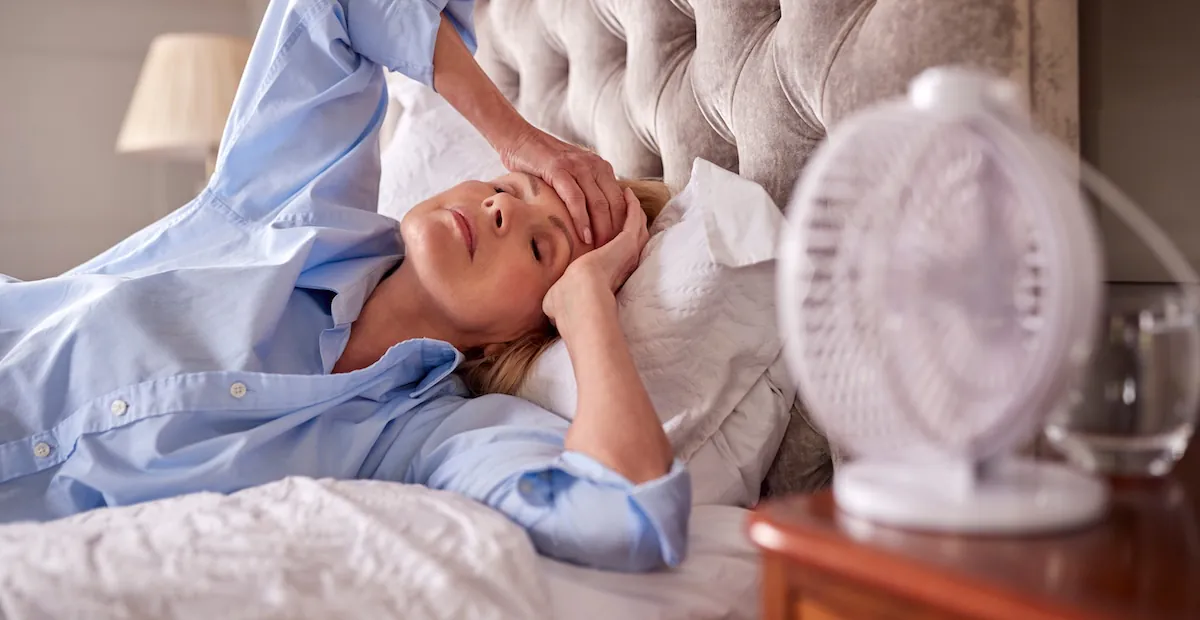
Night sweats and hot flushes can interrupt sleep, leaving you feeling tired the following day. When you’re exhausted, it can be harder to concentrate, relax or ignore sounds that would otherwise fade into the background.
Tinnitus can also make it more difficult to fall asleep, creating a frustrating cycle in which poor sleep and tinnitus affect one another.
Gentle background sound, such as a fan or quiet music, may help make tinnitus less prominent at bedtime.
Anxiety and low mood
Perimenopause and menopause can coincide with changes in mood, increased anxiety and feelings of overwhelm.
When you’re anxious or low, tinnitus may feel more intrusive. You might find yourself paying closer attention to the sound, worrying about what it means or struggling to concentrate on other things. This doesn’t mean the tinnitus is imaginary; it means that your emotional well-being can influence how you experience it.
Stress and everyday pressures
Managing menopause symptoms alongside work, family responsibilities and everyday life can be draining. If you’re already under pressure, tinnitus may become another source of frustration.
Stress doesn’t necessarily cause tinnitus, but it can make existing symptoms harder to cope with. Finding ways to manage stress, get enough rest and take regular breaks may help reduce its impact.
Does HRT help with tinnitus?
If your tinnitus started around the time of menopause, you may wonder whether hormone replacement therapy (HRT) could help.
At present, the evidence is limited and mixed. Research hasn’t established that HRT reliably improves tinnitus, and it isn’t a recognised treatment specifically for the condition.
Some women may notice a change in their tinnitus as their broader menopausal symptoms improve, particularly if they begin sleeping better or feel less anxious. However, this doesn’t necessarily mean that HRT is treating the tinnitus itself.
When should you get tinnitus checked?
It’s understandable to associate tinnitus with menopause when the timing seems to fit. However, it’s important not to assume that hormonal changes explain the symptoms without considering other possible causes.
Arrange an assessment with an audiologist if your tinnitus:
•Persists for several weeks or keeps returning.
•Affects one ear rather than both.
•Becomes progressively worse or occurs alongside changes in your hearing.
•Affects your sleep, concentration or emotional wellbeing.
•Sounds like a rhythmic whooshing or thumping in time with your heartbeat.
An assessment can help identify possible causes and determine whether you need further investigation.

How Harley Street Hearing can help
If you’re experiencing tinnitus during perimenopause or menopause, a professional assessment can help you understand your symptoms and explore the most appropriate ways to manage them.
At Harley Street Hearing, we’ll start by talking through when your tinnitus began, how it sounds and how it’s affecting your daily life. We’ll also consider relevant factors such as your medical history, sleep, stress levels and any other symptoms you’re experiencing.
Your audiologist will examine your ears and carry out a comprehensive hearing test to check for changes in hearing that could be contributing to your tinnitus.
From there, we’ll discuss the options that best suit your needs. Depending on the findings, these may include:
• Tinnitus Sound Therapy
• Tinnitus Retraining Therapy
• Hearing aids
• Bimodal neuromodulation (Lenire)
Your treatment will depend on your individual symptoms and assessment results. Our aim is to help you understand what’s happening and find practical ways to improve your quality of life.
Find out more about our tinnitus therapy services.