

For David, 52, tinnitus began suddenly and without warning. One night, 31st May 2020, he noticed a high-pitched ringing that made it almost impossible to sleep. What started as an irritating noise quickly became debilitating. The constant sound followed him everywhere. Into his home life, into his workday, and especially into the quiet nights when he needed rest the most.
“I remember lying awake thinking, ‘Is this ever going to stop?’ I couldn’t switch off,” he recalls. “It affected my sleep, my mood, everything.”
David initially sought help from a tinnitus clinic, who advised him to wait eight weeks before seeking further help, in case the tinnitus settled on its own. While acute tinnitus may resolve, chronic tinnitus, like David’s, persisted. Those weeks were some of the most difficult he had ever experienced. Professionally, the office became unbearable. Personally, the combination of isolation during the 2020 lockdown and the relentless ringing meant he could think of little else. As David had not had tinnitus before, he did not have any tools, techniques nor any knowledge of what to expect.
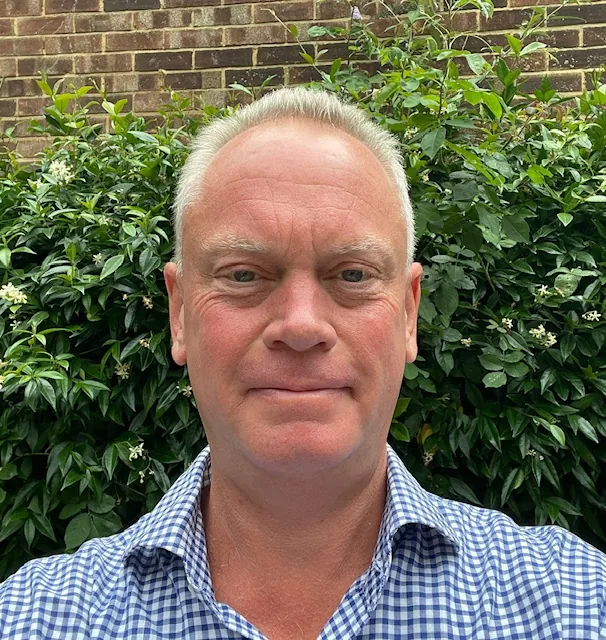
After 8 weeks, when the tinnitus hadn’t improved, he decided to take the next step and visit an ENT specialist for answers, who then referred him to Jordon Thompson, Clinical Lead in Tinnitus at Harley Street Hearing. Despite the challenges of the pandemic, it didn’t take long for David to get an appointment – something he remembers feeling incredibly grateful for at the time.
At his first consultation, Jordon carried out a thorough assessment. This included a hearing test along with a detailed discussion about David’s symptoms, lifestyle, stress levels, and overall wellbeing. Stress was identified as a likely contributing factor.
“It was the first time I felt someone genuinely understood what I was going through,” David says. “Jordon explained everything clearly and reassured me that while tinnitus can’t be cured, it can be managed.”
Jordon developed a personalised treatment plan aimed at reducing the severity of David’s symptoms and helping him regain control of his daily life. The plan included sound therapy, a technique involving soft, soothing sounds that can create a calming tingling sensation and help distract the brain from tinnitus. David found it eased some of the intensity he was experiencing. He continues to follow this plan today, with modifications made with Jordon’s guidance.
Jordon also recommended massages and Cognitive Behavioural Therapy (CBT). CBT helped David break the cycle of anxiety and hyper-awareness that often amplifies tinnitus, while regular massages, three times a week, supported relaxation and reduced physical tension which can contribute towards tinnitus.
After some time, Jordon recommended that David try hearing aids – an option David was very open to. “At that point, I had come to completely trust Jordon, both his knowledge and his style, I was willing to try anything that might help,” he says.
Hearing aids can be extremely effective for tinnitus because they provide gentle background amplification, helping the brain shift its focus away from internal sounds and reducing the perceived loudness of tinnitus. Jordon recommended the Widex RIC hearing aids, known for their excellent tinnitus management, thanks to their use of Zen Fractal Tones, which support relaxation, stress reduction, and a natural sound experience.
David noticed improvements almost immediately.
“I’ve been wearing them for years now and sometimes I forget they’re even in,” he says. “They’ve helped me tremendously.”
With the combination of sound therapy, relaxation techniques, CBT, and well-fitted hearing aids, David gradually regained control over his life.
“Looking back, I’m so relieved I found the right help when I did,” he says. “Tinnitus doesn’t have a fix, but with the right experts and a treatment plan that’s tailored to you, you can get your life back. If anyone starts suffering with tinnitus, in that waiting period between chronic and acute, I recommend seeing a specialist such as Jordon immediately, before the waiting period is up. Meeting someone who will empathise, who can explain what is happening, and introduce self-help treatments such as CBT and relaxation tools as early as possible, I think would help enormously. I’m glad I was introduced to these treatments and will keep doing these even if my tinnitus vanishes.”
Today, David is sleeping better, working comfortably again, and enjoying a sense of normality he once thought he’d lost.
If you would like to find out more about how we can help your tinnitus, contact us.