Home / News / 5 Things You Should Never Do After Getting Hearing Aids
5 Things You Should Never Do After Getting Hearing Aids
Many people think that having their hearing aids fitted is the finish line.
They’ve had their hearing test, chosen their hearing aids, they’ve been programmed (hopefully using Real Ear Measurements), and they leave the clinic expecting everything to sound perfect immediately.
Partner at Harley Street Hearing and Musicians’ Hearing Services. He diagnoses and manages hearing loss during the day and shares his knowledge of the latest hearing aid technology on Hearing Tracker in the evenings.
Over the years, I’ve seen first-hand why some people fly with their new hearing aids while others struggle unnecessarily. More often than not, the difference isn’t the technology itself – it’s what happens over the next few days and weeks after the fitting.
Adjusting to hearing aids is a process. Your brain needs time to adapt, your hearing aids may need fine-tuning, and developing good habits from the start can make all the difference.
With that in mind, here are five things I always encourage my patients to avoid after getting new hearing aids
Don’t Only Wear Your Hearing Aids When You Think You Need Them
This is probably the most important piece of advice I can give.
It might seem logical to only wear your hearing aids when you’re in situations where you struggle most, such as restaurants or when you’re watching television. But if you only wear them in the hardest listening environments, your brain never gets the easier practice first.
I often compare it to trying to run a marathon without doing any training first. You’re simply not going to finish it.
With hearing aids, you need to build up, and you need to maintain your tolerance.
The people who do best with hearing aids are usually not the people who only wear them for special occasions. They’re the people who build them into daily life.
Even when you’re at home.
Even when you don’t feel like you really need them.
That’s how your brain starts to accept them as normal.
Don’t Judge Your Hearing Aids Too Quickly
One of the most common mistakes I see is people deciding too quickly that their hearing aids aren’t working.
After your fitting, the world can sound completely different. Your footsteps may suddenly seem louder. A car driving past can sound much closer than you expected. Running water may sound surprisingly noisy, and even your own voice can sound unfamiliar.
It’s completely understandable to wonder whether something has gone wrong.
But in reality, your ears, your auditory nerve and your brain may have been missing certain sounds for years. Then, all of a sudden, those sounds are reintroduced.
So yes, at first, some things are likely to sound too loud or too sharp.
In fact, if your hearing aids immediately sounded like your hearing did before, I’d be concerned they weren’t doing enough. After all, if your hearing had been normal, you wouldn’t have needed hearing aids in the first place.
That doesn’t mean you should suffer in silence.
If the sound is painful, overwhelming, distorted or completely unbearable, tell your audiologist straight away.
Equally, if your hearing aids physically hurt your ears, rub, press, or make you relieved when you take them out, don’t push through it.
But don’t make the mistake of deciding after one hour, or even one week, that your hearing aids are a failure.
These things take time.
Don’t Skip Your Follow-Up Appointment
If there’s one appointment that’s just as important as your hearing aid fitting, it’s your first follow-up.
The fitting is just the beginning of the process and isn’t the most important appointment. For me, the most important appointment is the first follow-up because that’s when I can really find out how your hearing aids have performed in the real world.
Your follow-up appointment is an opportunity to discuss your experiences, understand what’s working well, identify any challenges and make adjustments that better suit your hearing and your lifestyle.
Many modern hearing aids also record information about how they’re being used. If you regularly increase the volume in certain environments, for example, that information can help your audiologist continue to personalise the hearing aids, not only to your hearing loss but also to your lifestyle.
It’s not just about your feedback – it’s also about understanding how your hearing aids are performing day to day.
I recently saw a patient who had been wearing their new hearing aids for a couple of weeks. They told me they were “good”, but they had expected a little more based on everything they’d heard about them.
We fine-tuned the settings, adjusted the clarity, AI and noise reduction settings, and all of a sudden they were a completely different set of hearing aids.
That’s exactly why follow-up appointments matter.
Your follow-up appointment is where that feedback gets turned into better programming.
Be patient. It will be worth it.
Don’t Forget to Keep Your Hearing Aids Clean
One of the most common reasons people think their hearing aids have stopped working is surprisingly simple – they need cleaning.
Over the years, I’ve had patients contact me within the first couple of weeks after their fitting because they’re convinced something has gone wrong with their hearing aids. In many cases, the problem is simply that the wax filters have become blocked.
Wax filters can fill with earwax, dead skin or even water trapped in your ear after a shower, affecting the performance of your hearing aids.
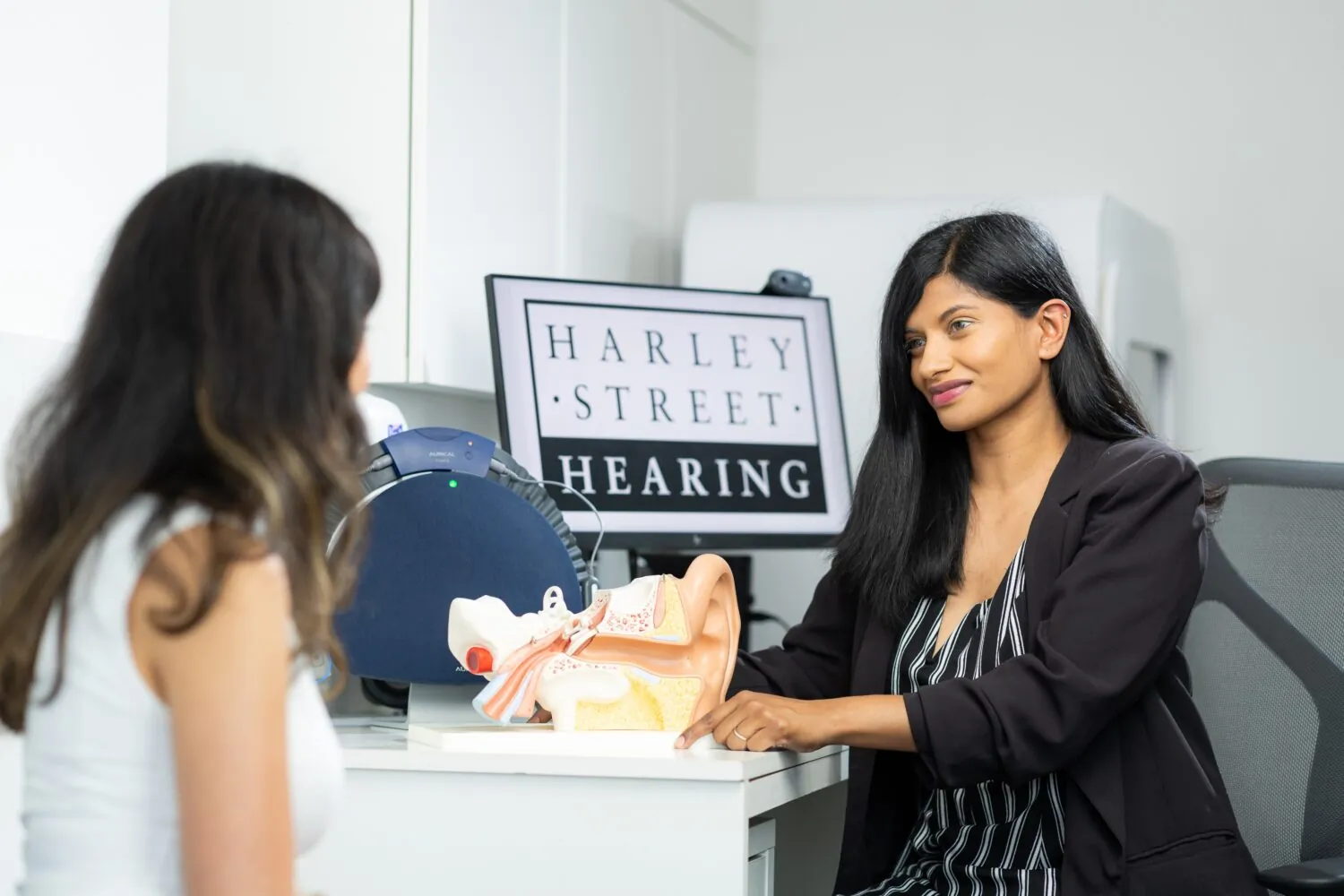
That’s why I always show patients how to care for their hearing aids during the fitting appointment. Understanding how to replace wax filters and carry out simple maintenance can prevent unnecessary worry and keep your hearing aids performing at their best.
So, if your hearing aids suddenly stop working, don’t panic.
Check the wax filters first. It may be a quick and simple fix.
Don’t Assume Your Hearing Aids Have Been Properly Fitted
This is perhaps the most important point of all.
Never assume your hearing aids have been fitted properly simply because you’ve had them fitted.
Even if you wear them every day, attend your follow-up appointments and keep them perfectly clean, you’ll only get so far if they weren’t set up correctly in the first place.
Hearing aids aren’t simply taken out of a box and placed in your ears. They need to be programmed for your hearing loss, but they also need to be verified.
That means adjusting them not only to your hearing loss, but also to your ear canals, your comfort tolerance, your lifestyle and what you actually need them to do.
That process should begin with Real Ear Measurements.
Without measuring what the hearing aids are actually doing inside your ears, there’s always a risk they’re too soft, too loud, over-amplifying certain sounds or simply not giving you the speech clarity that you should be getting.
If you’ve recently been fitted with hearing aids, one question I would always encourage you to ask is whether they were verified using Real Ear Measurements.
It’s a crucial part of the fitting process and one that shouldn’t be overlooked.
Final Thoughts
Looking back over the years, one thing has become increasingly clear to me: successful hearing aid users aren’t necessarily the ones with the most advanced technology. They’re the ones who understand that hearing rehabilitation is a journey, not a single appointment.
Your hearing aids are there to support you every day, but getting the very best from them takes consistency, patience and a partnership with your audiologist. Small adjustments along the way can make a remarkable difference to your overall experience.
If you’ve recently been fitted with hearing aids, I hope these five pieces of advice help you get the very best from them. And if you’re considering hearing aids for the first time, I hope they reassure you that it’s perfectly normal for the adjustment process to take time.
With the right support, hearing aids really can be life-changing.
Looking for expert hearing care?
At Harley Street Hearing, we believe fitting hearing aids is just the beginning. From comprehensive assessments to ongoing aftercare and follow-up appointments, we’re committed to helping every patient achieve the very best outcome from their hearing technology.
If you’d like to book an appointment with one of our experienced audiologists, click here.
Watch the video
Prefer to watch rather than read? You can watch Matthew explain the five things you should never do after getting new hearing aids in the video below.
To provide the best experiences, we use technologies like cookies to store and/or access device information. Consenting to these technologies will allow us to process data such as browsing behaviour or unique IDs on this site. Not consenting or withdrawing consent, may adversely affect certain features and functions. Users personal data will be used for personalization of ads and cookies may be used for personalized and non-personalized advertising
Functional
Always active
The technical storage or access is strictly necessary for the legitimate purpose of enabling the use of a specific service explicitly requested by the subscriber or user, or for the sole purpose of carrying out the transmission of a communication over an electronic communications network.
Preferences
The technical storage or access is necessary for the legitimate purpose of storing preferences that are not requested by the subscriber or user.
Statistics
The technical storage or access that is used exclusively for statistical purposes.The technical storage or access that is used exclusively for anonymous statistical purposes. Without a subpoena, voluntary compliance on the part of your Internet Service Provider, or additional records from a third party, information stored or retrieved for this purpose alone cannot usually be used to identify you.
Marketing
The technical storage or access is required to create user profiles to send advertising, or to track the user on a website or across several websites for similar marketing purposes.