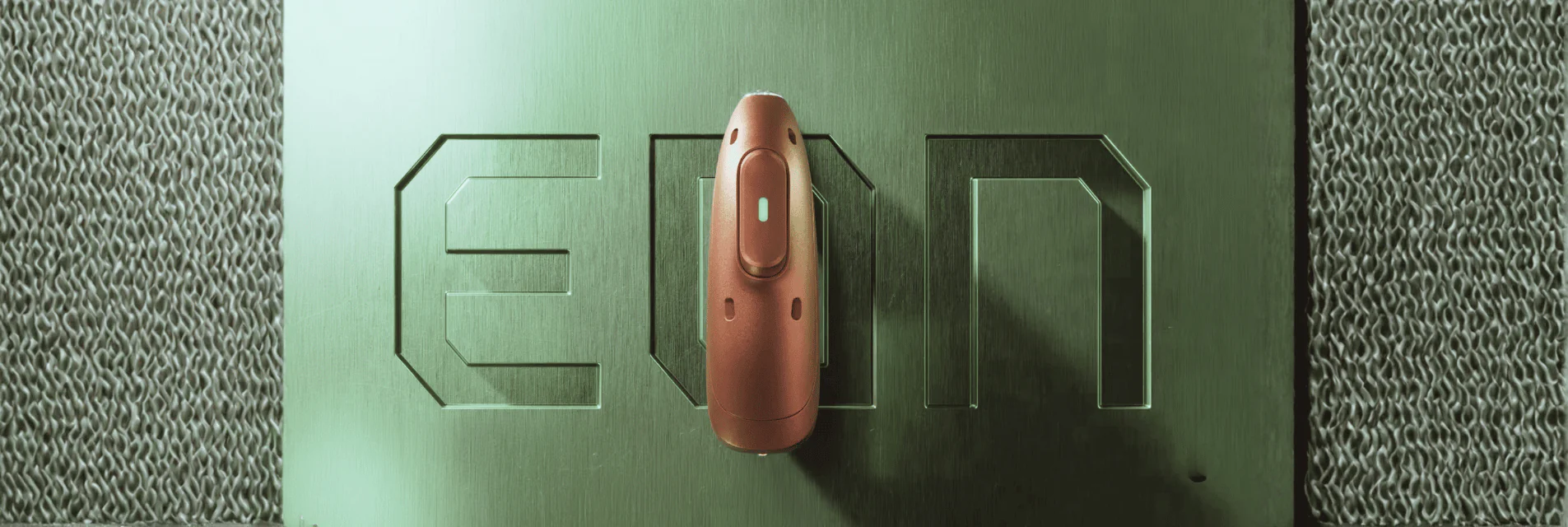


Considering hearing aids is a significant transition, whether you have noticed a change in your hearing yourself or a loved one has suggested it. Every individual has a unique story, whether it is struggling to hear friends at dinner, leaning in to catch conversations with softly spoken colleagues, or turning up the television.
My name is Matt Frost, and as a clinical audiologist who was diagnosed with hearing loss at 17 while training as a professional orchestral percussionist, I know firsthand how daunting this step can feel. However, committing to treating your hearing can completely change your life.
This comprehensive guide is designed to walk you through the entire journey, from your initial considerations, through your first few weeks of wearing devices, to evaluating the end of your trial period.
Phase 1: So, you’ve decided to think about hearing aids
If you are on the fence about taking action, a fantastic exercise you can do at home is weighing the distinct advantages and disadvantages of addressing your hearing.
A common phrase heard in clinical practice is, “I think I cope fine.” But there is a profound difference between surviving and thriving.
Imagine watching a football match on an old black-and-white television. You can see the players moving, but it takes immense mental effort to determine who is on which team. Switching to a modern colour display brings the game to life, instantly removing that cognitive strain.
Without hearing aids, you may “cope”, but your brain is working infinitely harder to stay engaged, often leading to deep mental and aural fatigue. Hearing aids bring the colour and brightness back to your auditory world.
Understanding your modern options
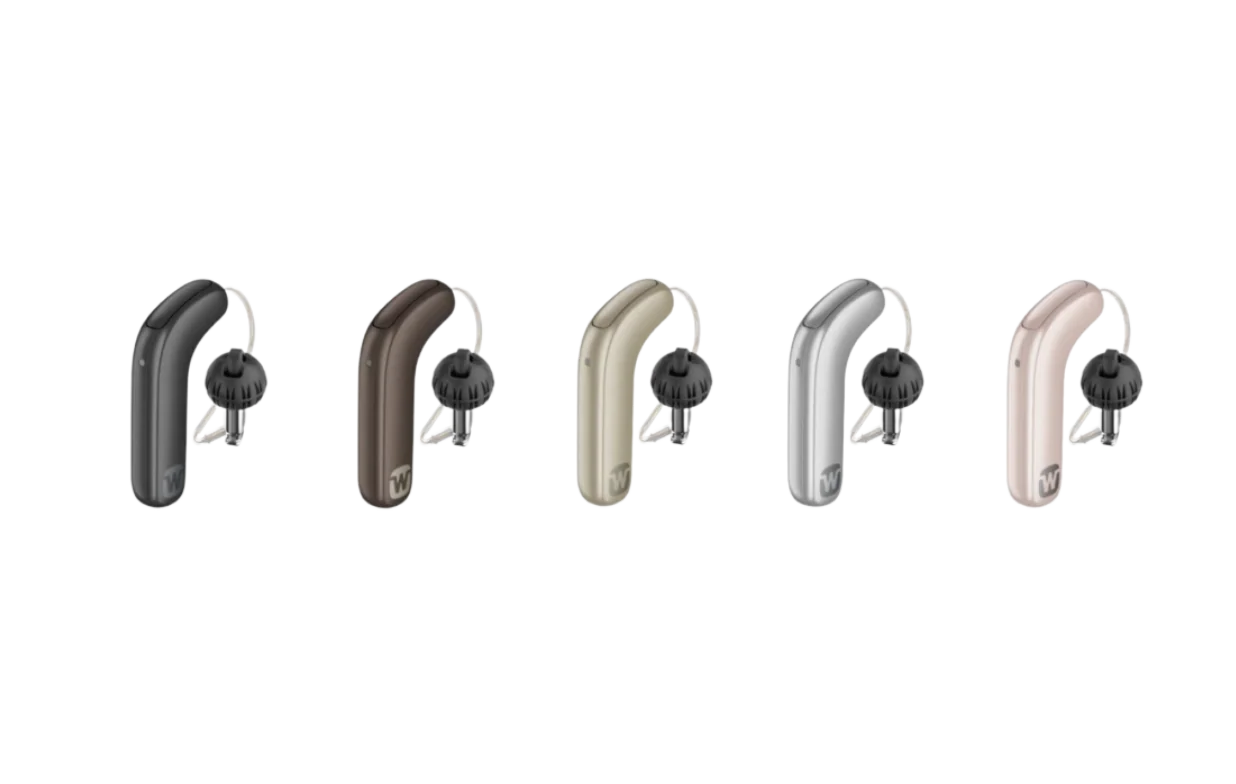
Modern hearing technology is a sleek world of sophisticated, highly capable devices. The three core areas to understand before your initial assessment include:
Style
Today’s options range from discreet behind-the-ear models to completely invisible, custom-moulded in-the-canal devices. They are available in various colours to seamlessly match your hair, skin tone, or personal style.
Connectivity
Most contemporary devices stream music, phone calls, and podcasts directly from your smartphone to your ears, balancing the audio perfectly to match your specific hearing profile.
Dedicated apps
Smartphone apps put you in the driving seat, allowing you to adjust volume discreetly, alter microphone directionality, change programs, or reduce background noise on the fly.
Phase 2: So, you’ve started wearing hearing aids
When you first put your new devices in, the world will sound drastically different. Some people describe the initial sound as “robotic” or sharp. Cutlery clinking might sound metallic, running taps can sound like waterfalls, and a grandfather clock in the corner might suddenly seem incredibly loud.
Do not be alarmed. This is a highly positive sign. It means your brain is successfully receiving vital auditory information that it has been missing, often for years. Because our ears evolved to alert us to “new” sounds for survival, your brain naturally prioritises these unfamiliar noises at first.
The secret is acclimatisation
Hearing change usually happens gradually over decades, meaning your brain has grown accustomed to a quieter world. Adjusting to hearing aids is a process called acclimatisation. Unlike glasses, which provide instant clarity, the brain requires time and consistent training to process new sounds safely and comfortably.
Think of it as a jigsaw puzzle. Your old hearing profile is one piece, your new hearing aids provide the missing pieces, and your brain needs time to piece them together to see the whole picture.
Essential action steps for your first fortnight
Wear them every day
The best way to train your brain is consistent exposure. Wearing your hearing aids in quiet environments prepares your brain to handle louder, more complex environments later.
Keep a sound diary
Write down your real-world experiences. Note what sounds beautiful, what sounds strange, and where you still find listening difficult.
Attend your two-week follow-up
This diary gives your audiologist the exact blueprint needed to fine-tune your devices, tailoring the settings directly to your lifestyle and comfort.
Phase 3: So you’re coming to the end of your trial period?
As you approach the end of your initial trial period, it is time to look back at the specific challenges that brought you into the clinic in the first place, such as hearing family members clearly, socialising in groups, or hearing the telephone ring. These are your baseline “outcome measures”.
Review your sound diary and honestly evaluate whether these daily scenarios have become easier, remained the same, or present new challenges.
The three paths of a follow-up appointment
During your end-of-trial review, your progress will typically lead down one of three paths:
Clear success
You are seeing major improvements and feeling positive. Your audiologist will use your feedback to add further refinements to maximise your performance.
Mixed results
You notice clear benefits, but are experiencing some lingering issues with fit, comfort, or sound quality in specific environments. In this scenario, you can easily pivot to trial different styles or technology from alternative manufacturers to find a better fit.
Significant difficulties
If you feel the devices are truly not working out, your trial can either be extended with alternative programming adjustments, or you can choose to return the devices within the trial period for a refund (minus a small trial fee) and revisit the option in the future.
Long-term care and what to look for
Investing in your hearing health is a long-term relationship. When choosing where to finalise your hearing aid journey, ensure your care package includes comprehensive, ongoing support. A premium standard of care should provide:
- Lifetime aftercare
- Robust warranties
- Complimentary annual reviews
Addressing hearing loss is a personalised journey that requires patience, the right technology, and expert guidance. By taking it step by step, you can step away from simply coping and move toward fully thriving in the world of sound.
If you are ready to explore how the right setup can transform your daily life, get in touch with Harley Street Hearing today to schedule your comprehensive assessment.