

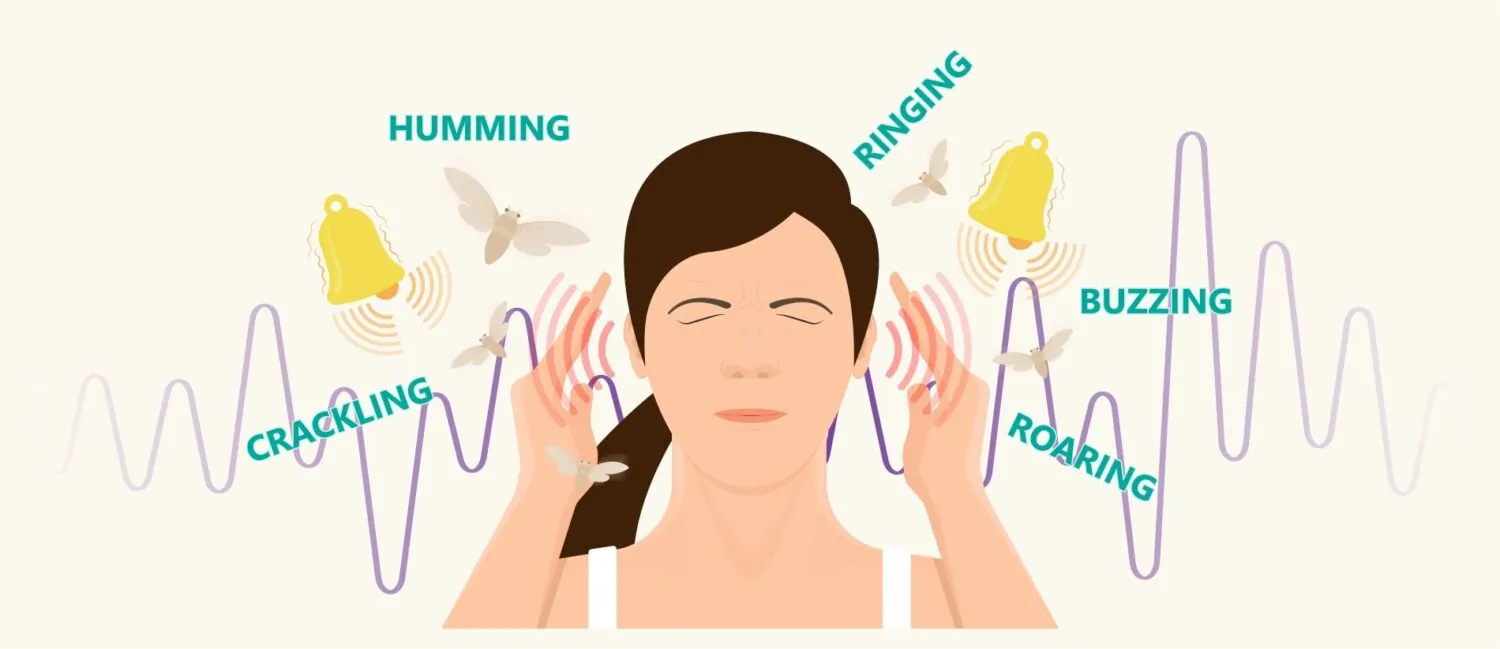
Tinnitus is a common condition. It affects around 10 to 25% of adults. However, different types of tinnitus exist. Certain symptoms mean you need to get checked out immediately. I will cover all of these warning signs in this article.
So, what exactly is tinnitus?
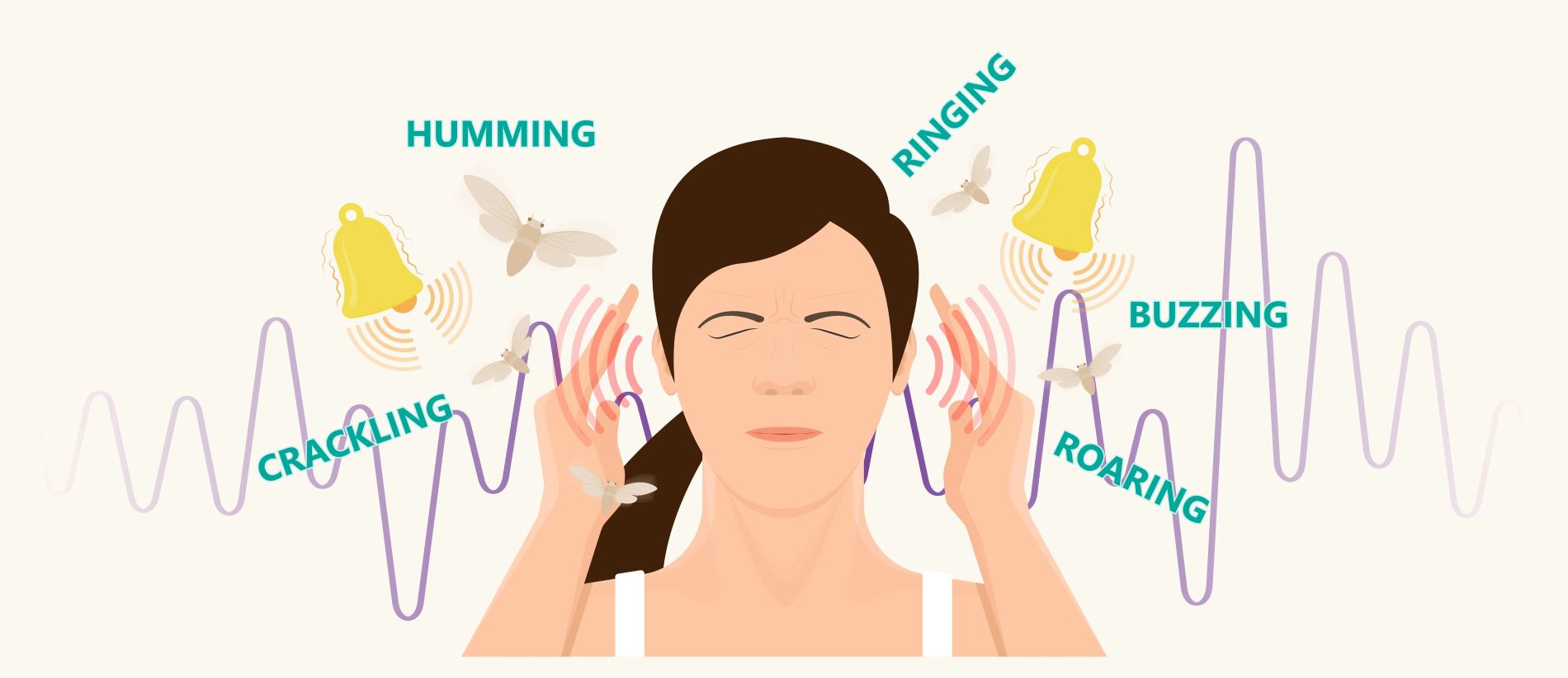
Simply put, tinnitus is any sound that you hear in your ears or head that does not come from an outside source. In fact, it’s different for everybody.
I recently ran a poll on my YouTube channel asking about personal experiences with tinnitus. The replies were incredibly diverse. Descriptions ranged from constant ringing, electric buzzing, and clicking, to static sounds, and even the sound of people chanting in the forest.
I personally live with high-pitched, continual tinnitus. It’s there 24/7. I notice it the most when lying in bed at night, or if I’m tired, stressed, or unwell. It brings me great solace to know that tinnitus is unbelievably common. Around 50 million people experience some form of it, and more often than not, it’s nothing to worry about.
Tinnitus that requires a doctor
However, certain characteristics mean you need an immediate medical opinion. You should see a doctor right away if your tinnitus:
- Is only in one ear
- Changes suddenly over a short period
- Stops you from sleeping
- Contributes to anxiety or depression
But those flags don’t cover today’s main topic. Why is pulsatile tinnitus different? And why is it more serious than the types I just listed?
First, it is much less common. Research shows that pulsatile tinnitus affects around 5 million Americans. Beyond being annoying, it can be a warning sign of an underlying health issue. That is why I recommend getting it investigated immediately.
Pulsatile tinnitus sound
Does your tinnitus sound like a heartbeat, swishing, or whooshing? If so, you are likely experiencing pulsatile tinnitus. This type is different and potentially more serious than regular tinnitus.
Instead of a constant drone, you hear a rhythmic sound. Unlike other forms, pulsatile tinnitus beats in exact sync with your pulse.
What causes pulsatile tinnitus?
Several issues can cause pulsatile tinnitus. Some are benign, while others are more serious.
Atherosclerosis
This condition occurs when happens when plaque builds up inside your arteries. Plaque consists of fat, cholesterol, and other substances. Over time, this build-up hardens and narrows your pathways, blocking smooth blood flow. If this happens near your ears, the turbulent blood flow creates a rhythmic sound. You hear this as a heartbeat in your ear.
Blood vessel disorders
Blood vessel disorders like aneurysms or arteriovenous malformations (AVMs) are key examples. An aneurysm is a bulge in an artery wall. If this bulge forms near your ear, the altered blood flow can trigger tinnitus.
AVMs are abnormal connections between arteries and veins that bypass smaller vessels. This shortcut creates high-pressure blood flow, which causes a clear pulsing sensation.
High blood pressure
High blood pressure (hypertension) is another common cause. It increases the force of blood pumping through your arteries. When this happens near your ear, the heavy flow creates a rhythmic thumping or wooshing noise.

Ear abnormalities
Structural issues in the ear can also cause it. One example is Superior Semicircular Canal Dehiscence (SSCD). This happens when the bone over your inner ear canals is abnormally thin or missing.
In around 1 to 2% of individuals, this bone fails to thicken properly and wears away with age. Sufferers often hear their own voices and footsteps loudly. Some can even hear their own eyes moving.
Tumours
A head or neck tumour, like a glomus tumour, is another potential cause. These tumours contain many blood vessels. They press against nearby pathways, disrupting normal blood flow. For example, glomus jugular tumours can grow near the jugular vein and into the middle ear. This causes pulsing tinnitus, often alongside hearing loss.
Myoclonus
As well as the conditions that can cause pulsatile tinnitus, there are also types of rhythmical tinnitus. For example, myoclonus is a condition that involves the rhythmic contraction of muscles within your middle ear, which can sometimes contract involuntarily. It’s a little bit like that strange feeling that you get when your eyelid twitches—we’ve all experienced that. When these muscles in your middle ear spontaneously contract, it can lead to a rhythmic sound, but it doesn’t necessarily follow your pulse like pulsatile tinnitus would.
Patulous eustachian tube dysfunction
Another pretty rare cause of rhythmic sounds inside your head is something called patulous eustachian tube syndrome. Normally, the eustachian tube, which connects the middle ear to the back of your nose, remains closed and only opens briefly during activities such as swallowing or yawning.
However, with patulous eustachian tubes, your tube might stay open more often, which allows the sound of breathing and speaking to be transmitted directly to your middle ear, creating this rhythmical tinnitus-type sound.
How is pulsatile tinnitus investigated?
So, if you have pulsatile tinnitus how can you find out the most likely cause? If I come across anybody in the clinic who experiences pulsatile tinnitus, I will immediately refer them to an ENT to look into that cause.
Normally, they’ll start by taking a detailed medical history and performing a physical examination which focuses on your head, neck, and ears. Believe it or not, they may even attempt to listen to your pulsatile tinnitus themselves using a stethoscope.
There are various tests that will help to pinpoint the exact cause of your pulsatile tinnitus, which is crucial for finding the right treatment for you. These can include imaging tests such as an MRI or CT scan, which will provide detailed images around your head and neck, and even an ultrasound can be performed to check the blood flow in your neck.

What happens if pulsatile tinnitus is left untreated or uninvestigated?
It’s important to mention here that more often than not, pulsatile tinnitus is nothing that you need to worry about. But you should definitely head over to your doctor for further investigation so that they can rule out any dangerous causes.
In very extreme cases when it’s not treated and it’s an indication of something more sinister, there is the rare possibility that whatever is causing your tinnitus could also lead to blindness, strokes, issues with walking or talking, or even fatality.
So, as you can appreciate, this is why I recommend having it investigated as soon as possible, so a doctor can determine whether your pulsatile tinnitus is dangerous or not. Assuming that it’s nothing sinister, there are also a handful of lifestyle changes that you can personally make to reduce your own tinnitus, and I’ve outlined them in the video below.
If you’d like any further information about this or any other hearing query please call 020 7486 1053 or complete the form below .
What is Pulsatile Tinnitus? Seek IMMEDIATE Medical Advice Video
Matthew Allsop is a Partner at Harley Street Hearing and the content creator for Hearing Tracker, where he shares his honest opinions on all things to do with hearing health and hearing aid technology. Hearing Tracker is the world’s first truly independent resource for hearing aid customers. You can watch his video on pulsatile tinnitus below.
Enjoy this article? You might be interested in some of our others here.