
If there’s one thing we know for sure, it’s that our hearing shouldn’t be taken for granted. Hearing is a vital sense. It can decline as we age. Hearing loss is more common than you might think.
Taking proactive measures to protect your hearing is the best solution. If hearing loss does happen, seeking the right treatment is also important. But with so many hearing care specialists offering different services, where do you start?
There are various types of hearing professionals, from audiologists to otolaryngologists. Each plays a pivotal role in diagnosing and treating hearing-related issues. Some may use the term hearing doctor to refer to this group of professionals. However, it is important to understand the difference between the specialists. The professional you should see depends on your specific issues. We’re here to help you understand the differences between them.
Whether you need treatment for hearing loss or specialist insight into an underlying audiological disorder, here’s a guide to which hearing professional to see and when.
The different types of hearing professionals
Audiologists
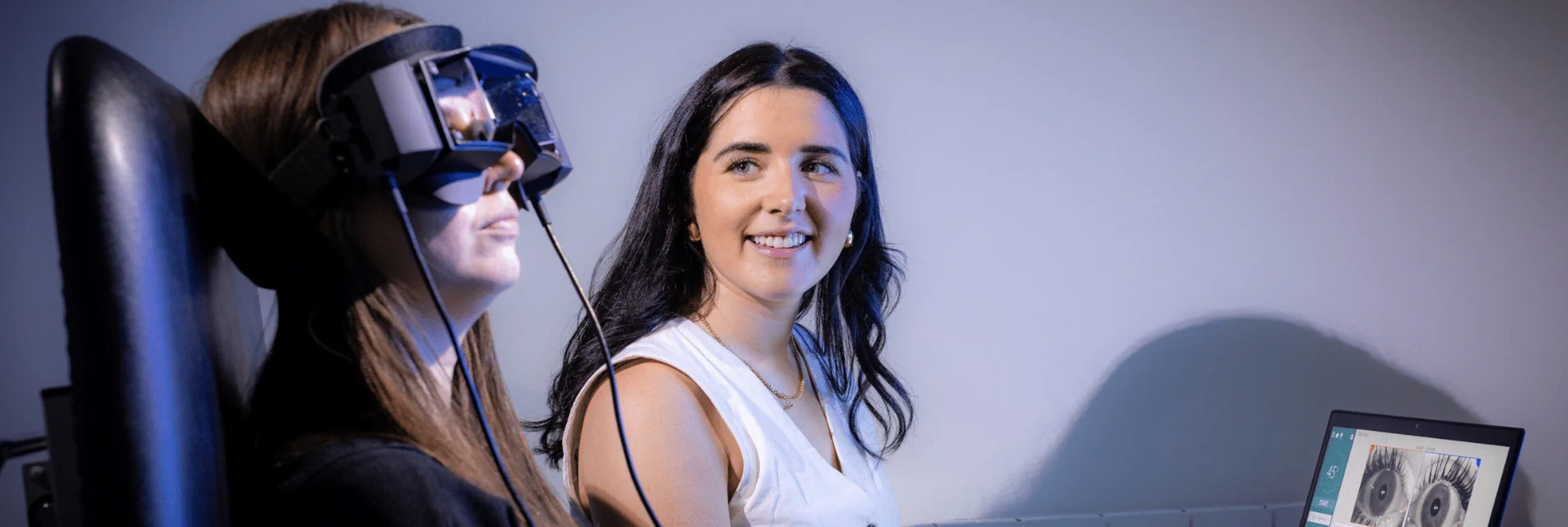
While audiologists are not doctors, they are highly trained professionals. They specialise in assessing, diagnosing, and managing disorders related to hearing and balance. They hold advanced qualifications in audiology. Audiologists are licensed to perform a wide range of diagnostic tests to evaluate hearing loss.
These testThese tests may include audiometry, tympanometry, and speech discrimination testing. They evaluate an individual’s hearing abilities, and based on the results, an audiologist can determine whether the patient has hearing loss. They can also identify the type and severity of the loss. In some cases, they may diagnose tinnitus if this is the issue. Earning tests, audiologists also provide rehabilitation services. They fit hearing aids and assistive listening devices and offer tinnitus treatment therapies. Advising on hearing aid selection is a critical service delivered by audiologists. These devices must be tailored to each individual’s hearing needs to be effective. An audiologist will recommend the most suitable hearing aid, depending on the hearing loss diagnosis. They will program the device to meet the user’s hearing needs. Audiologists also provide long-term aftercare to ensure that the hearing aid continues to serve the patient’s changing needs.
Some audiologists, like ourselves at Harley Street Hearing, may also specialise in earwax removal, auditory processing disorder treatment, paediatric hearing services, and balance disorders.
When you should see an audiologist
Audiologists cater to a variety of hearing needs, so you should seek their help if you are:
- Experiencing symptoms of hearing loss, such as difficulty understanding speech, struggling with background noise or hearing the TV/radio at an acceptable volume level
- Considering hearing aids or other assistive listening devices, whether this is for the first time or a device upgrade, and for hearing aid repairs or adjustments
- Experiencing symptoms of tinnitus, such as continuous buzzing, whistling or ringing in your ears
- Experiencing an earwax blockage
- Seeking a hearing assessment or evaluation for balance disorders
- Looking to maintain your hearing health with a routine check-up
The importance of seeing an audiologist for ear wax removal
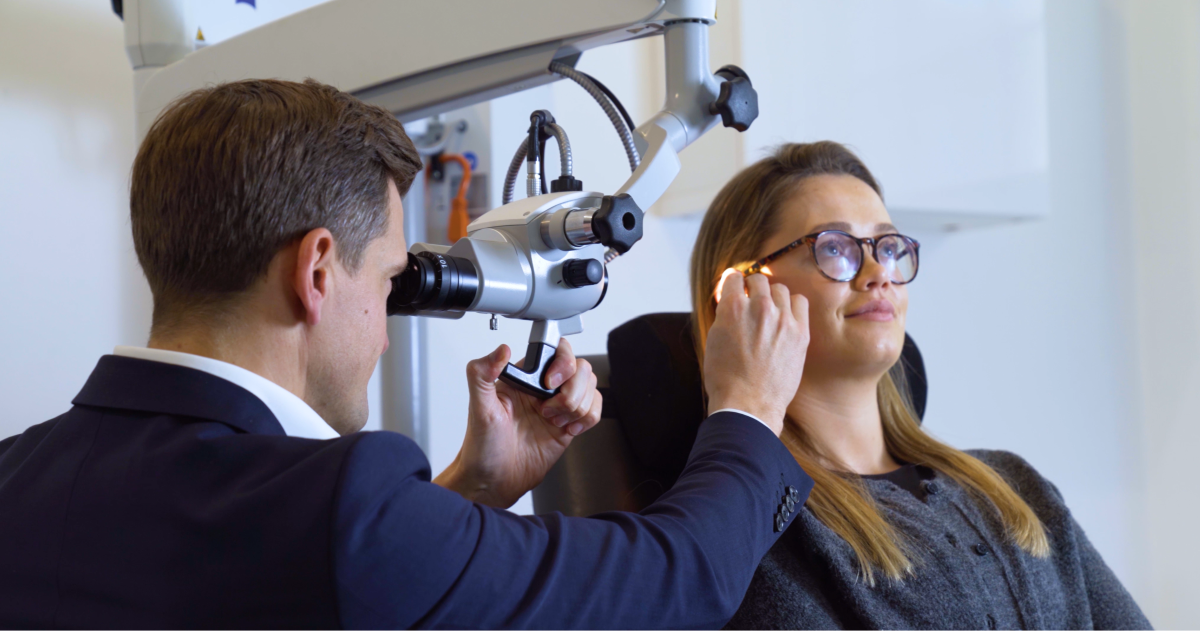
Ear wax removal should be performed only by qualified doctors and certified professionals, including ENT consultants and audiologists who are registered with the HCPC or RCCP/AHCS and hold degree-level audiological qualifications.
However, it’s becoming increasingly common for inexperienced individuals to undertake brief earwax removal training courses and begin providing it as a service. Without regulation, underqualified earwax removal providers can pose a serious health risk, so we urge you to do your research. A fully qualified clinical audiologist performing earwax removal is crucial to ensuring it’s done with the right equipment and in a completely safe way.
Harley Street Hearing offers both microsuction and ear irrigation for wax removal, carried out with precision and in accordance with industry best practices.
Hearing aid dispensers
Hearing aid dispensers, or hearing instrument specialists, are professionals trained to conduct basic hearing tests and fit hearing aids. They typically work under the supervision of an audiologist or otolaryngologist and focus primarily on selecting and adjusting hearing aids to meet individual needs.
When you should see a hearing aid dispenser:
A hearing aid dispenser may be able to help if you are:
- Seeking assistance with selecting and fitting a hearing aid
- Requiring adjustments or maintenance for existing hearing aids

Otolaryngologists (ENTs)
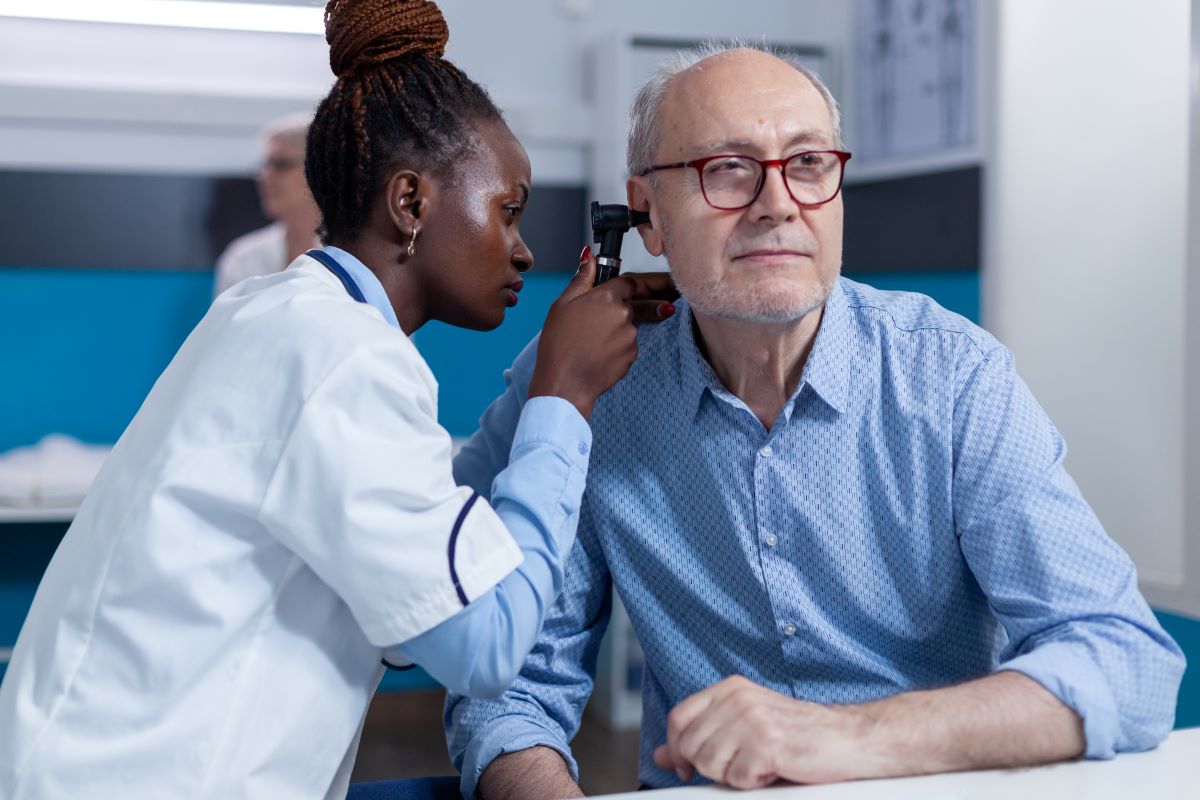
Otolaryngologists, commonly known as ear, nose, and throat (ENT) doctors/consultants, are specifically trained to diagnose and treat disorders of the ear, nose, throat, head, and neck.
They have extensive knowledge of the anatomy and physiology of the auditory system and can treat a broad range of conditions, including balance disorders and ear infections. They can perform complex head and neck surgeries and prescribe medications.
When you should see an Otolaryngologist
You should contact an Otolaryngologist if you:
- Have dizziness, vertigo or balance problems.
- Have hearing loss that comes on suddenly
- Have chronic ear infections
- Require a cochlear implant for profound hearing loss.
- Require surgical interventions for complex ear-related problems.
ENTs often work with audiologists, and an audiologist may refer you to an ENT specialist if you are seeking rehabilitation for a balance disorder. Harley Street Hearing supports the ENT clinics at HCA hospitals and the Phoenix Hospital Group, so our patients receive the best possible care. If you are experiencing any of the above problems, our specialised clinicians can provide comprehensive audiovestibular diagnostic services and refer you to an ENT specialist if required.

Otologists
Otologists are sub-specialists in otolaryngology who focus on disorders of the ear.
They undergo additional training to become experts in diagnosing and treating conditions affecting the ear, including hearing loss, ear infections, and tumours of the ear and skull base.
When you should see an otologist
Seek the help of an otologist if you:
- Are you dealing with complex or chronic ear-related conditions?
- Require specialised surgical interventions for ear conditions.
Neurologists
Neurologists specialise in diagnosing and treating disorders affecting the nervous system, including conditions that can affect hearing and balance.
Whilst they don’t directly treat hearing loss, they can play a significant role in diagnosing underlying neurological conditions that can impact auditory function, such as multiple sclerosis or acoustic neuromas.
When you should see a neurologist
You should visit a neurologist if any of the following apply to you:
- Experiencing hearing loss along with neurological symptoms such as dizziness, headaches, or numbness
- Suspecting underlying neurological conditions affecting hearing or balance

Finding a hearing doctor near you
When seeking help for any hearing issues you may be experiencing, it’s important to do your research and find a qualified, reputable specialist. Whether it’s an audiologist for routine hearing assessments or a neurologist to diagnose a neurological condition, enlisting the help of a trusted clinician will ensure you receive the highest standard of care.
Harley Street Hearing is a London-based independent hearing clinic and has been serving the hearing needs of the community for over 25 years. Our highly trained clinical audiologists offer professional, thorough hearing tests to effectively diagnose hearing loss and advise on suitable treatments.
We can also provide support for tinnitus management, balance disorders, auditory processing disorder, and earwax removal.
As an independent hearing clinic, we can offer hearing aids from all of the leading UK manufacturers with completely unbiased advice on the most appropriate device for you.
We have hearing clinics across London and a team of specialists here to help address your hearing concerns and support you on your journey to better hearing. Click here to call us or fill in the contact form below and we will get back to you.