
Are you having trouble with your hearing aids? You might notice more feedback than usual, a drop in sound quality, or struggle to adjust to a new device. Fortunately, you can fix most hearing aid problems at home.
If you rely on hearing aids every day to help with hearing loss, it can be frustrating when the device doesn’t work properly. With a basic understanding of common issues, you can troubleshoot problems and help prevent them in the future.
Use the troubleshooting checklist below to address these issues quickly and get your hearing back on track.
Hearing aid feedback and whistling
Many hearing aid users experience feedback or whistling sounds through their devices. This usually happens when sound leaks from the receiver and the microphone picks it up, creating a frustrating feedback loop.
Preventing and troubleshooting hearing aid feedback
Many factors can cause hearing aid feedback. Once you identify the root cause, you can usually solve the problem easily. Here are some of the most common causes and solutions.
- Adjust the fit – Your ears can change shape over time, which may cause the earmolds to loosen and stop sealing correctly. If this happens, have your hearing aids re-fitted or replaced.
- Check for earwax buildup. Excessive ear wax can block the ear canal, prevent sound from travelling through, and cause it to bounce back into your hearing aids, resulting in a whistling sound. Book an earwax removal appointment with a professional audiologist to fix this problem.
- Adjust the volume – Feedback or whistling may occur if your device’s volume is too high. Turn the volume down to see if the issue improves.
Over time, hearing aids may develop broken tubing, dislodged microphones, or loose fittings due to wear and tear. If you notice changes in structure or fitting, ask your hearing care provider to resolve any feedback issues.
Hearing aid producing weak or distorted sounds
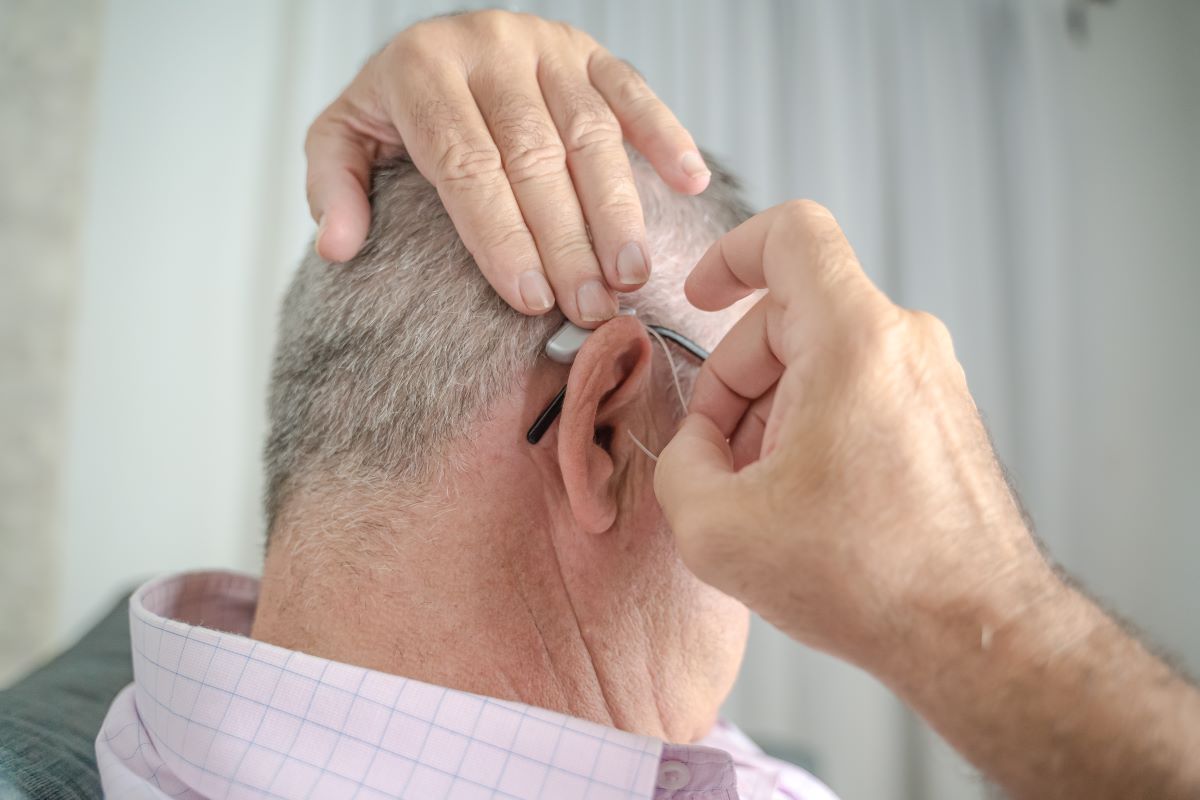
If your hearing aids aren’t loud enough at the highest volume, or if the sound is distorted or muffled, try some maintenance or adjust the settings.
Troubleshooting checklist
- Make sure your hearing aids are fully charged, or replace the batteries if they’re not rechargeable. Low or weak batteries cause sound issues, so always keep your device charged or carry spare batteries.
- Clean the microphone and receiver openings regularly to remove debris. Dust or dirt can block sound transmission, resulting in weak or distorted sound. Follow the manufacturer’s instructions and handle the fittings carefully when cleaning.
- Change the wax filter if it is blocked, as this can reduce the sound reaching your ears.
- If available, use the volume and program buttons on your hearing aid or a linked mobile app to adjust the settings. These adjustments can provide a temporary fix until you meet with your audiologist.
Hearing aids damaged by water or moisture
Like any electronic device, hearing aids and water don’t mix. Many hearing aids are water-resistant but not waterproof. They can usually handle a splash of water or a drop of rain, but you should never submerge them.
Accidents happen. If you accidentally wear your hearing aids in the shower, you’re not alone.
Follow these important steps if your hearing aid gets wet:
- Remove the hearing aid quickly from water or moisture. If you notice you’re wearing it while showering or swimming, or if you drop it in water, take it out immediately and move it to a dry place.
- Turn the device off and remove the batteries. Water may have entered the device, so remove the battery if possible and leave the compartment open to dry.
- Dry the device as quickly as possible. Soak up any visible moisture, then leave it in a warm, dry place. Air drying can take 24 to 48 hours. To speed up the process, use a hearing aid dryer or place the device in a bowl of dried rice to absorb moisture.
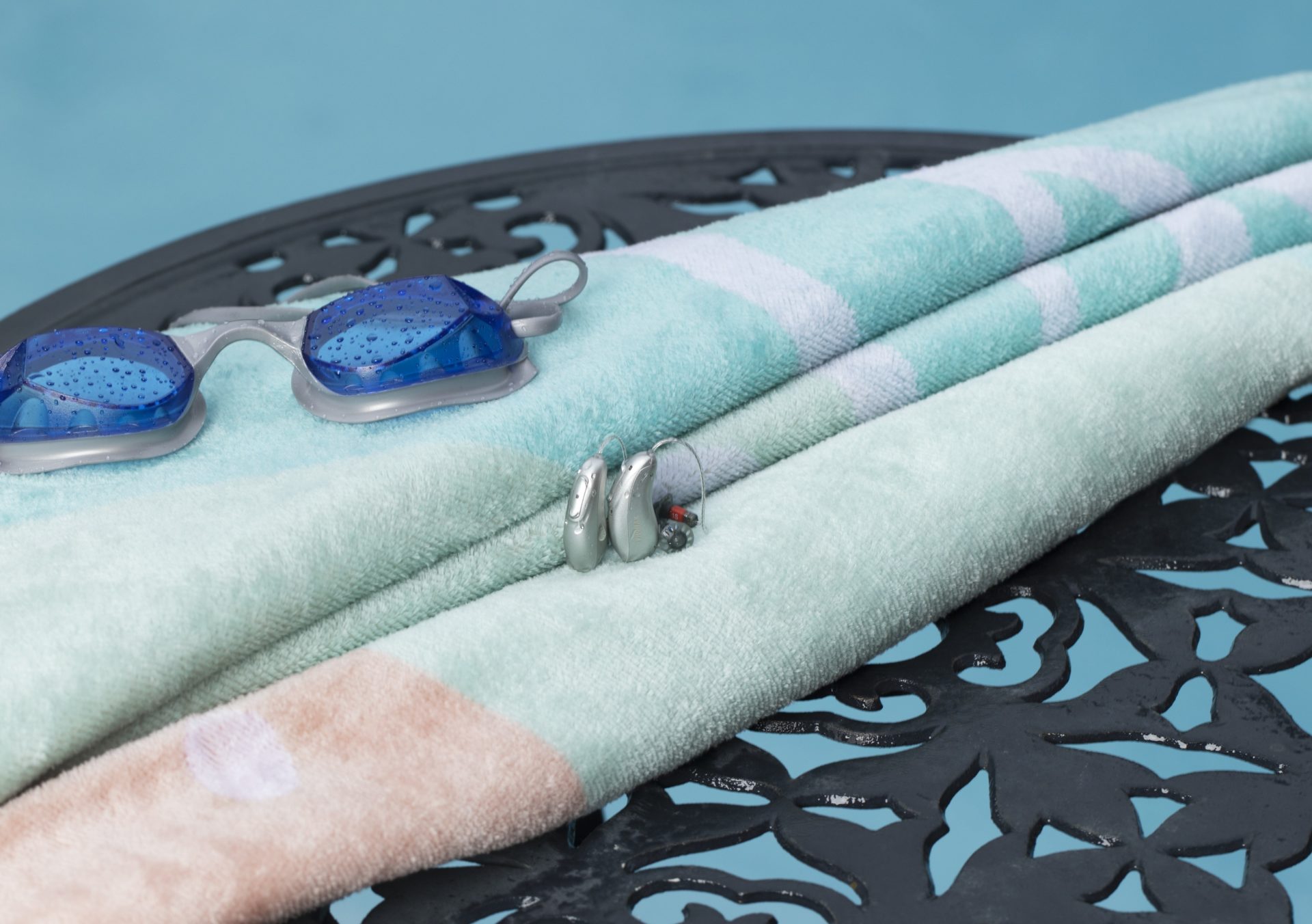
If these steps don’t restore your hearing aid, contact your hearing care provider as soon as possible for repairs or a replacement.
Schedule a thorough hearing consultation and have your device fitted by a qualified audiologist to get the best results from your hearing aid. Regular maintenance and care will help prevent future issues.
If you continue to struggle with your hearing aids, they may no longer suit your hearing needs. In this case, get your hearing re-assessed to find a better device.
Harley Street Hearing is London’s largest independent hearing clinic. Our professional audiologists can conduct a thorough hearing assessment and offer independent advice on the most suitable hearing aid for you. If you need any assistance with your current hearing aids we are more than happy to help. Contact us online or call us on 020 7486 1053 to find out more.